Ramadan traditions in Taif: Tales of heritage balconies and rooftops
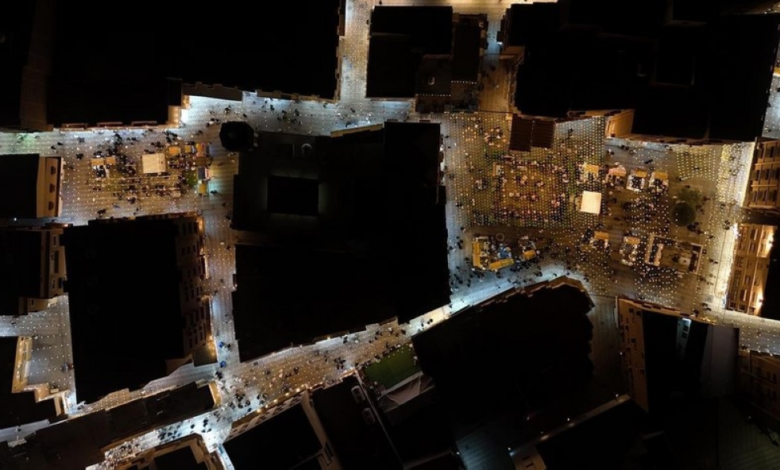
Unique Ramadan atmosphere in Saudi Arabia's premier summer resort
With the arrival of the holy month of Ramadan, the nights of Taif Governorate acquire a special character and unique spirituality, clearly manifested in the balconies and rooftops of houses, which transform into open social spaces embracing the warmth of family gatherings. As the weather cools after Iftar, families flock to these spaces, finding in them a natural respite and a vibrant stage for scenes reflecting the simplicity of life and the spirituality of the blessed month, thus reviving lifestyles that have been intertwined with the city's collective memory for decades.
Historical background: Hejazi architecture in service of society
Historically, Taif was known as the Kingdom's premier summer resort and the eastern gateway to Mecca, granting it a special status. Its temperate climate is reflected in its traditional Hijazi architectural style, which places great emphasis on open spaces such as "rawashin" (ornate wooden balconies) and spacious rooftops. These elements were not merely aesthetic touches but functional components of the home's design, intended to provide natural ventilation and a space for family gatherings. In the past, before the advent of modern entertainment, these rooftops and balconies served as the lungs of the neighborhood, where residents would exchange conversations and news, observe the daily life, and strengthen social bonds among neighbors.
The importance of Ramadan rituals and their social impact
Spending Ramadan evenings on rooftops is a natural extension of this cultural heritage. During Ramadan nights, these spaces transform into more than just places to sit; they become multi-purpose platforms. Family members gather for Taraweeh prayers, prepare the pre-dawn meal (suhoor) together, and engage in religious and friendly conversation. Historian Issa bin Alawi states that these practices formed an integral part of social life and contributed to strengthening bonds between family members and neighbors, especially given the limited entertainment options available in the past.
These scenes are most evident in older neighborhoods such as Harat Fawq, Harat Asfal, the historical district, and the northern and southern Martyrs' Quarters, which still retain their authentic architectural and social character. The continuation of this tradition today serves as a bridge connecting new generations to their ancestors' past and preserving the unique cultural identity of Taif.
The continuity of heritage in the face of modernity
Despite urban development and the emergence of modern building styles, many families in Taif still maintain Ramadan traditions on their balconies, rooftops, and outdoor spaces. Mohammed Al-Salmi explains that Taif's architecture is characterized by a unique style that reflects the city's identity and the distinctiveness of its social life. He adds that these practices demonstrate the resilience of local customs and their ability to adapt to urban transformations, emphasizing that the sight of illuminated balconies and rooftops on Ramadan nights is one of the most vivid images that preserves the memory of the place and reflects the community's connection to its daily life during the holy month.