Ramadan Iftar tables in Medina: An initiative to promote solidarity

In an atmosphere of faith and spirituality pervading the city of the Prophet Muhammad (peace be upon him), the "Mujtama'i" Neighborhood Centers Association in Medina announced the organization of 29 communal Ramadan iftar meals at 21 different locations during the first week of the holy month. This initiative is part of a comprehensive plan to establish 100 iftar meals throughout Ramadan, in cooperation and coordination with neighborhood councils and their residents.
Historical and spiritual background of breakfast tables in the city of the Prophet
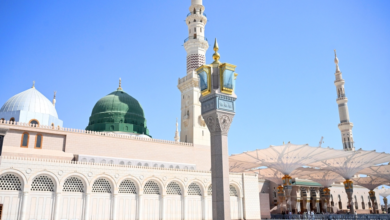
Medina holds a special place in the hearts of Muslims worldwide, as its streets and neighborhoods witnessed the dawn of the Islamic state. During Ramadan, the city is imbued with a unique spirituality and tranquility. The communal iftar meals, known as "Mawa'id al-Rahman" (Tables of Mercy), are a deeply rooted Islamic and social tradition dating back centuries, embodying the values of generosity, altruism, and solidarity encouraged by Islam. Feeding those fasting is not merely an act of charity, but a profound act of worship and devotion to God. In the city of the Prophet, this act takes on a deeper dimension, as residents and visitors alike compete to serve those who come from far and wide to observe the fast.
The importance of the initiative and its societal impact
The importance of these initiatives extends far beyond simply providing breakfast meals; they become vibrant social gatherings that strengthen bonds of affection and camaraderie among residents of the same neighborhood. They bring together diverse segments of society—citizens, residents, and visitors—around a single table, contributing to the strengthening of the social fabric and reinforcing the values of neighborliness. On a local level, these events enhance the quality of life for residents and activate the role of public facilities such as squares, parks, and mosques in serving the community. They also open wide the door to volunteer work; the association reported the participation of 665 volunteers who 3,295 volunteer hours in the first week alone , including distributing 2,410 breakfast meals and assisting in setting up the tables.
National and international implications of the initiative
At the national level, this pioneering community initiative aligns with the goals of the Kingdom's Vision 2030, which focuses on developing the non-profit sector, increasing the number of volunteers, and promoting social responsibility. Internationally, these communal meals showcase the renowned Saudi hospitality and warm welcome extended to pilgrims and visitors who flock to Madinah during Ramadan. Seeing people of diverse nationalities and cultures breaking their fast together reflects Islam's message of human brotherhood and compassion. The association's plan includes providing over 80,000 Iftar and Suhoor meals throughout the month, in collaboration with the Madinah Municipality and other entities, to reach the largest possible number of beneficiaries and amplify the positive impact of these blessed efforts.