First Quarter Moon in Ramadan: A Comprehensive Guide to Observation and Viewing
An astronomical phenomenon illuminates the blessed nights of Ramadan
The Jeddah Astronomical Society announced that the skies of the Kingdom and the Arab world will witness the arrival of the first quarter moon of Ramadan on Tuesday evening. The Society's president, Engineer Majid Abu Zahra, explained that this astronomical phenomenon will peak at 3:27 PM Mecca time, marking the completion of a quarter of the moon's orbit around the Earth since the new moon.
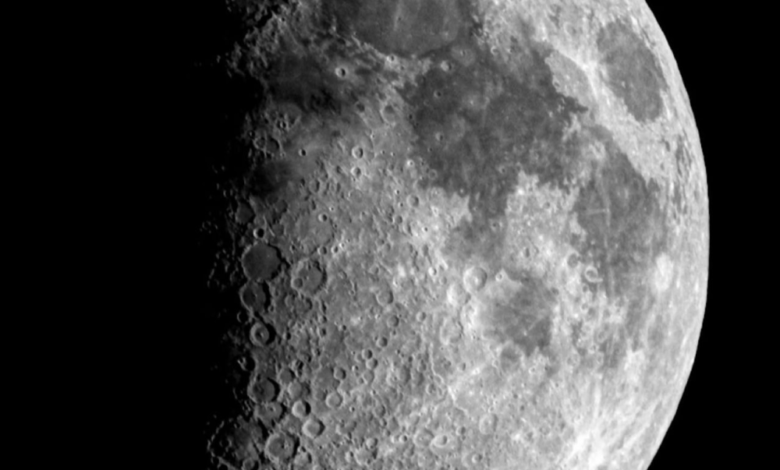
The first quarter phase is one of the most significant stages in the lunar cycle, when half the moon's disk is illuminated by sunlight, while the other half is shrouded in darkness. This phenomenon occurs when the angle between the centers of the sun and moon, as seen from Earth, reaches 90 degrees, creating a unique celestial spectacle of light and shadow.
The scientific and cultural significance of the phases of the moon
Since the dawn of history, the phases of the moon have been intertwined with human life, serving as a primary means of timekeeping and calendar organization. In Islamic culture, lunar observation holds particular significance, as the Islamic calendar (Hijri calendar) is entirely based on the lunar cycle, which averages 29.5 days. The new moon marks the beginning of each Islamic month, culminating in Ramadan and the blessed Eid al-Fitr. The first quarter phase, typically occurring on the seventh or eighth day of the lunar month, clearly signals the end of the first week of Ramadan.
From a scientific perspective, this phase offers an ideal opportunity for astronomers and amateurs alike to observe the lunar surface's topography. The angle at which sunlight strikes the lunar surface during this phase highlights the fine details along the terminator, the line separating the illuminated and shadowed areas. This line reveals lunar craters, mountain ranges, and valleys in three dimensions, with the highlands casting long shadows that enhance their visibility and beauty.
Monitoring and observation guide
The first quarter phase is ideal for astronomical observation for several reasons. First, the moon rises around noon and reaches its highest point in the sky around sunset, making it clearly visible in the early evening sky. It remains visible until around midnight, giving observers ample time to enjoy watching it.
The first quarter moon is easily visible to the naked eye, appearing as a bright semicircle. For a more detailed viewing experience, binoculars or a small telescope are recommended. These instruments will reveal a stunning array of details on the lunar surface, such as the Mare Imbrium (Sea of the Rains), the Apennine Mountains, and the famous Copernicus crater. As the nights of Ramadan progress, the illuminated portion of the moon will gradually increase, progressing towards the waxing gibbous phase and then the full moon in the middle of the month, in a daily celestial journey that adds a special touch to the nights of this holy month.