Medical advice for the elderly to fast safely and healthily during Ramadan
Introduction: Ramadan and the challenges of fasting for the elderly
The holy month of Ramadan is a great spiritual opportunity for Muslims worldwide, as fasting is one of the pillars of Islam. However, older adults face particular health challenges that can make fasting a task requiring extra care and planning. With advancing age, physiological changes occur in the body, making it more sensitive to prolonged periods of fluid and food deprivation. For this reason, doctors and specialists offer a range of vital tips to ensure that older adults who are able to fast can perform this religious duty safely and without health risks.
Historical and legislative context: The dispensation to break the fast in Islam
From its inception, Islamic law has been keen on facilitating matters and removing hardship, especially in acts of worship that require physical exertion. The Holy Quran clarifies this leniency, as God Almighty says: “But whoever among you is ill or on a journey [during Ramadan] - then an equal number of days [must be made up]. And upon those who are able [to fast, but with hardship] - a ransom [as substitute] of feeding a poor person.” This noble verse establishes a clear basis for those who find fasting very difficult, such as the elderly and those with chronic illnesses, granting them permission to break their fast in exchange for a ransom, thus affirming that preserving life and physical health is among the highest objectives of Islamic law.
The importance of consulting a doctor before Ramadan
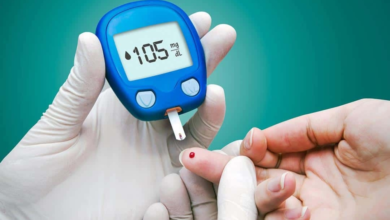
Medical professionals emphasize that the first and most important step for the elderly, especially those with chronic conditions such as diabetes, high blood pressure, heart disease, or kidney failure, is to consult their doctor before Ramadan begins. This consultation is essential to assess their overall health and determine their ability to fast safely. The doctor will adjust medication schedules and dosages to align with the times of Iftar (breaking the fast) and Suhoor (pre-dawn meal), thus preventing serious complications such as severe drops or spikes in blood sugar or blood pressure.
Key tips for healthy fasting for the elderly
1. Moisturizing and combating dryness:
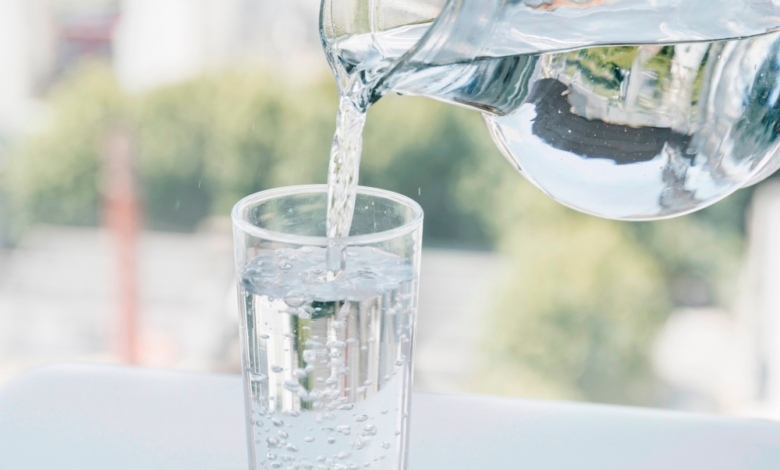
Dehydration is one of the most significant risks facing the elderly during fasting, due to their diminished sense of thirst. Therefore, it is essential to drink sufficient fluids, especially water, between Iftar (breaking the fast) and Suhoor (pre-dawn meal). It is recommended to drink at least eight glasses of water at intervals to avoid straining the kidneys. Diuretics such as coffee and tea should also be avoided in large quantities, as they increase fluid loss from the body.
2. A balanced pre-dawn meal (suhoor):
The pre-dawn meal (suhoor) is crucial for elderly fasting, providing them with the necessary energy throughout the day. This meal should be rich in protein (such as eggs and dairy products), fiber, and complex carbohydrates (such as oats and whole-wheat bread), which slow digestion and promote a feeling of fullness for a longer period. It is also advisable to delay the suhoor meal as much as possible to shorten the actual fasting time.
3. A light and nutritious breakfast:
Start by eating dates and drinking water to replenish lost sugar and fluids, then have a light and balanced breakfast including warm soup, salad, and a source of protein. It's important to avoid fatty, fried, and salty foods, which increase thirst and cause indigestion.
4. Avoid stress and heat:
The elderly are advised to avoid direct sunlight and high temperatures during the day and to stay in cool places. They should also avoid strenuous physical activity, but light exercise such as walking after Taraweeh prayers can improve blood circulation.
Warning signs that necessitate immediate breakfast
Elderly individuals and their families should be vigilant for any signs of deteriorating health, which necessitate breaking the fast immediately and consulting a doctor. These signs include severe dizziness, low blood pressure, unusual fatigue and exhaustion, or symptoms of severe dehydration. Fasting is possible and healthy for the elderly if proper medical and nutritional guidelines are followed, combining spiritual benefits with the preservation of physical health.