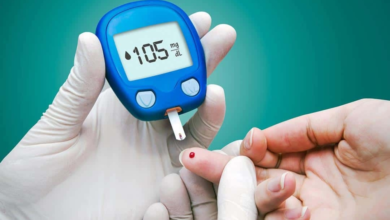
Safe fasting for diabetics during Ramadan: Tips for meal planning
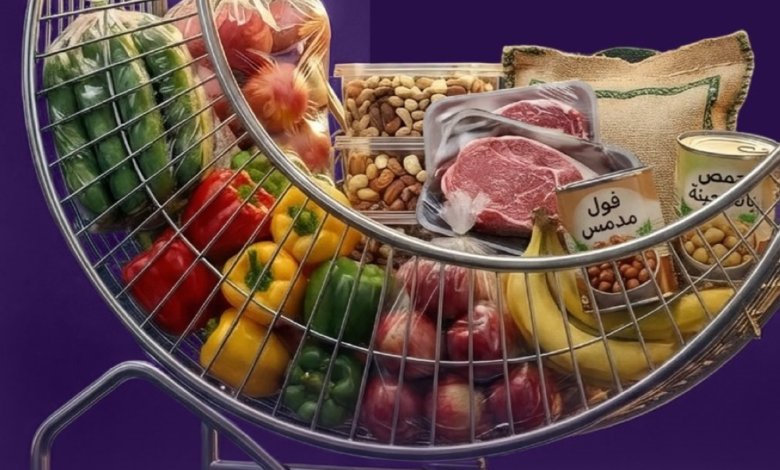
With the arrival of the holy month of Ramadan, millions of people with diabetes around the world face the unique challenge of balancing the observance of fasting with maintaining stable health. Fasting for extended periods represents a significant change to daily routines, requiring careful planning and special attention to avoid serious complications such as dangerously high or low blood sugar levels. Understanding how fasting affects the body and managing dietary needs correctly is the cornerstone of a safe and comfortable fast.
General context: Diabetes and fasting during Ramadan
Diabetes is one of the most prevalent chronic diseases worldwide, and its management requires a regular dietary and treatment regimen. During Ramadan, Muslims abstain from food and drink from dawn until sunset, which can expose people with diabetes to several health risks if not carefully managed. These risks include low blood sugar (hypoglycemia) during the day and a sharp rise in blood sugar (hyperglycemia) after the iftar meal, as well as the risk of dehydration and diabetic ketoacidosis (DKA), especially in people with type 1 diabetes. Therefore, global health organizations emphasize the importance of consulting a doctor before starting to fast in order to assess the risks and adjust the treatment plan and medication dosages to suit the new meal times.
The importance of breakfast arrangement to avoid high blood sugar
Clinical nutritionist Bandar Talab Al-Shammari, from the Diabetes and Endocrinology Center at Hail Health Cluster, emphasized that the way a diabetic patient breaks their fast plays a pivotal role in controlling their glucose levels. He advised starting by consuming a limited amount of dates (one to three) with a glass of water or unsweetened milk. Dates provide the body with the quick energy it needs after a long fast, while the fluids help hydrate the body. It is best to take a short break afterward, such as performing the Maghrib prayer, before consuming the main meal. This gradual approach gives the body a chance to adapt and prevents the sudden and severe spike in blood sugar that can occur when consuming large quantities of food all at once.
The main breakfast meal should be complete and balanced, including fiber-rich vegetables (such as salad), a healthy protein source (grilled chicken, fish, or legumes), and a measured amount of complex carbohydrates (such as brown rice or whole-grain bread). It is essential to avoid excessive consumption of Ramadan sweets and sugary drinks, which can cause sharp fluctuations in blood glucose levels.
The pre-dawn meal (suhoor): the cornerstone of a stable fasting day
The pre-dawn meal (suhoor) is crucial for people with diabetes, providing them with the energy needed for the long fasting hours. It is recommended to delay this meal as much as possible, so it is close to the time of the pre-dawn meal (suhoor). The suhoor meal should focus on foods rich in fiber and slow-digesting proteins, such as whole grains (oats), yogurt, eggs, and legumes (beans and lentils). These foods help slow the absorption of sugar, which helps maintain stable blood sugar levels for a longer period and reduces the likelihood of hunger or hypoglycemia during the day.
Additional tips for safe fasting
In addition to regulating meals, diabetics should ensure they drink sufficient fluids between Iftar and Suhoor to avoid dehydration. Regularly monitoring blood sugar levels throughout the day is also essential to track the body's response to fasting. They should not hesitate to break their fast immediately if any symptoms of low or high blood sugar appear, as this is permitted in Islam to protect their health. Finally, engaging in light physical activity after Iftar, such as walking, can help improve blood sugar control.