Safe fasting for diabetics: Tips and guidelines for Ramadan
Introduction: Ramadan is a spiritual and health opportunity
The holy month of Ramadan is a time of great spiritual significance for Muslims worldwide, offering an opportunity for worship, reflection, and self-discipline. However, the significant lifestyle changes, particularly the altered meal times and long fasting hours, require special attention from those with chronic conditions such as diabetes, hypertension, and heart disease to ensure a safe and healthy fast.
Understanding the effects of fasting on the body
During fasting, the body switches from using glucose as its primary energy source to burning stored fat. This metabolic shift can be beneficial, but it presents unique challenges for patients whose bodies rely on the precise regulation of blood sugar or blood pressure levels. Understanding these changes is the first step toward effectively managing one's health during Ramadan.
Special challenges for diabetics during Ramadan
Family physician Dr. Abdulmohsen Ali Al-Marzama explained that diabetes is one of the most prominent chronic diseases requiring close monitoring during Ramadan. Diabetes arises from high blood glucose levels due to insufficient insulin production or the body's impaired response to insulin. During Ramadan, diabetic patients may face several health challenges, most notably:
- Low blood sugar (Hypoglycemia): a result of long hours of fasting and not eating.
- High blood sugar (Hyperglycemia): This often occurs after breakfast due to consuming large amounts of carbohydrates and sugars all at once.
- Dehydration: due to insufficient fluid intake during fasting hours, which may affect kidney function and increase blood viscosity.
Golden tips for safe fasting with chronic illnesses
To overcome these challenges, Dr. Al-Marzama advises following a set of medical and preventative guidelines that will allow patients to benefit from the holy month safely:
- Consulting a doctor before Ramadan is the most important step to assess the health condition and determine the ability to fast, and to adjust the doses and timing of medications or insulin to suit the times of Iftar and Suhoor.
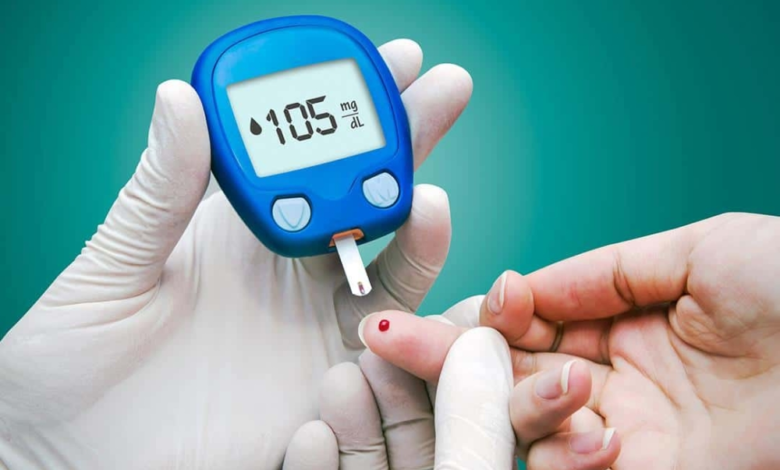
- Regular blood sugar monitoring: Diabetics should measure their blood sugar levels several times a day, especially when experiencing abnormal symptoms.
- A balanced breakfast: Start breakfast by eating dates and drinking water to gradually raise your blood sugar levels, then eat a complete meal that includes proteins, fiber, and complex carbohydrates, and avoid excessive sweets and sugary drinks.
- A healthy pre-dawn meal: Make sure to delay the pre-dawn meal as much as possible, and make it rich in slow-digesting foods such as whole grains, legumes and dairy products to maintain stable energy and blood sugar for a longer period.
- Drink plenty of fluids: You should drink sufficient amounts of water and other unsweetened fluids between Iftar and Suhoor to compensate for fluid loss and avoid dehydration.
- Knowing when to break the fast: You must stop fasting immediately if you experience symptoms of a sharp drop in blood sugar (such as excessive sweating, trembling, dizziness) or a sharp rise in blood sugar levels.
National health initiatives to support safe fasting
In a related context, the importance of national health initiatives in promoting health awareness is highlighted. Nurse Sahar Hatrash from the Najran Health Cluster explained that the national "Check Your Health" initiative aims to encourage individuals to improve their lifestyles during Ramadan. The initiative offers preventative screenings including fasting blood sugar tests, HbA1c tests, a complete lipid profile (total, triglycerides, LDL, and HDL), and blood pressure measurements.
This campaign embodies the goals of the Health Sector Transformation Program within the Kingdom’s Vision 2030, which focuses on prevention and promoting public health, and encouraging the community to conduct periodic check-ups at the nearest health care center to ensure early detection of diseases and their effective management.