Haramain Relief: Training 320 supervisors to improve the quality of Hajj services
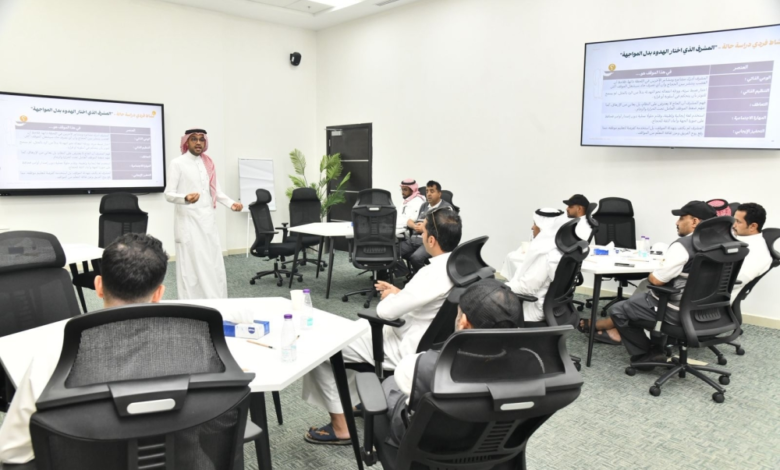
In a strategic move aimed at enhancing the services provided to pilgrims, the "Rafid Al-Haramain" initiative launched its activities for the third consecutive year, announcing the launch of a comprehensive package of specialized training programs. This year's program aims to train 320 field supervisors, activating the close strategic partnership between Umm Al-Qura University and the Ministry of Hajj and Umrah, in an effort to raise the efficiency of human resources working during the Hajj and Umrah seasons.
Pillars of field training and qualification
The initiative, in its renewed phase, focused on honing the skills of supervisors in key and sensitive areas required by the nature of work in the holy sites. These areas include customer service skills according to the highest international standards, effective communication mechanisms with pilgrims from diverse cultures and nationalities, and intensive training in managing field emergencies and containing crises. This meticulous preparation aims to ensure an exceptional experience for pilgrims and Umrah performers, characterized by high professionalism and flexibility.
Strategic context and the role of Umm Al-Qura University
This initiative stems from the Kingdom of Saudi Arabia's historically leading role in serving the Two Holy Mosques, where the state dedicates all its resources to the comfort of visitors. Umm Al-Qura University, through its Institute of Research and Consulting Studies, seeks to leverage its unique geographical and academic position in Makkah to translate theoretical academic expertise into practical applications that serve the sector. The university acts as a consulting center of expertise, supporting executive bodies and helping to bridge the gap between theoretical knowledge and field application in crowd management and logistics.
Keeping pace with the Kingdom's Vision 2030
The objectives of the “Rafed Al-Haramain” initiative align directly with the goals of the Kingdom’s Vision 2030, specifically the “Guests of God Service Program,” which aims to enrich the religious and cultural experience of pilgrims and Umrah performers and enhance the quality of services provided to them. With the Kingdom aiming to receive millions of visitors annually, investing in human capital becomes an urgent necessity to ensure the smooth operation of processes and the safety of visitors.
The program organizers emphasized that these courses are not just routine training, but rather represent an extension of a series of efforts aimed at building a qualified generation of Saudi youth, capable of dealing with the enormous human densities and field challenges witnessed in the Two Holy Mosques and the holy sites with efficiency and competence.
Community partnerships to promote sustainability
The current iteration of the initiative enjoys the support of a broad alliance of strategic partners, reflecting the collaboration of various sectors to ensure the success of the Hajj season. This alliance includes Al Rajhi Trading Company, the Haram Delegations Association, the Coordinating Council for Domestic Pilgrims, and the Princess Seetah bint Abdulaziz Award Foundation. This diversity of partners contributes to enhancing the initiative's sustainability and expanding its societal and professional impact.
This step comes to consolidate the concept of integration between the government, private and third (non-profit) sectors, with the aim of creating an integrated work environment that ensures the smooth flow of services provided to visitors of the Holy Mosque, and reflects the bright and honorable image of the Kingdom of Saudi Arabia’s continuous efforts in serving Islam and Muslims.