Sri Lanka floods: 334 dead and widespread destruction caused by Cyclone Detwah
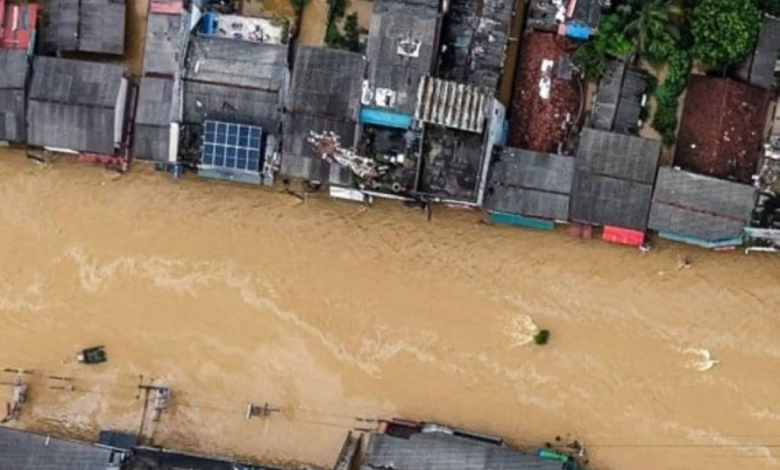
Sri Lanka has witnessed one of the worst natural disasters in its modern history over the past few days, with the death toll from the devastating floods and landslides caused by Cyclone Detwah rising to at least 334, according to the latest official figures released by the Disaster Management Centre on Sunday. These staggering numbers reveal the immense devastation wrought by the relentless torrential rains that continued for a full week, leaving behind a humanitarian tragedy that continues to unfold.
Details of the disaster and the critical situation on the ground
As search and rescue operations continue, the Disaster Management Centre reports that emergency teams and the army are still searching for approximately 400 missing people, raising the likelihood that the death toll will rise significantly in the coming hours. Although the rains have recently stopped, floodwaters continue to inundate large areas, particularly in the commercial capital, Colombo, and its suburbs, hindering relief efforts and making it extremely difficult to reach those trapped. Official estimates indicate that the number of people affected across the country has exceeded one million, with thousands of families forced to flee to temporary shelters in schools and temples, or to sleep in the open under harsh conditions.
Geographical and climatic context: Why do disasters recur?
Sri Lanka's strategic location in the Indian Ocean makes it vulnerable to two major monsoon seasons annually. While the population is accustomed to these rainy seasons, experts point to a dramatic shift in weather patterns. Global climate change has led to an increase in the intensity and frequency of extreme weather events, with record amounts of rain falling in very short periods, overwhelming the soil and the island's dilapidated drainage systems. This recurring pattern evokes memories of past disasters on the island and underscores the urgent need to develop infrastructure to meet future climate challenges.
A devastating blow to the economy: the tea sector is in danger
The damage extended beyond human lives and homes, posing a direct threat to Sri Lanka's national economy. Torrential rains triggered devastating landslides in the Central Hills, a region renowned worldwide for its Ceylon tea plantations. This area is the economic backbone of the agricultural sector, with tea being one of the country's most important sources of foreign currency. These landslides and the erosion of fertile soil are expected to result in long-term economic losses, impacting not only export revenues but also threatening the livelihoods of thousands of farmers and low-wage workers who depend entirely on this vital sector.
Health concerns and international actions
As the floodwaters slowly recede in some areas, health authorities are seriously concerned about outbreaks of waterborne diseases endemic to tropical regions, such as cholera and dengue fever, especially given the contamination of drinking water sources and the accumulation of waste and dead animals. Local authorities are currently working with international aid organizations and UN agencies to provide food, medicine, and clean drinking water to those affected, in a race against time to contain the crisis and prevent the natural disaster from turning into a health catastrophe that could claim even more lives.