Treating dry eyes in winter: 8 medical tips for prevention
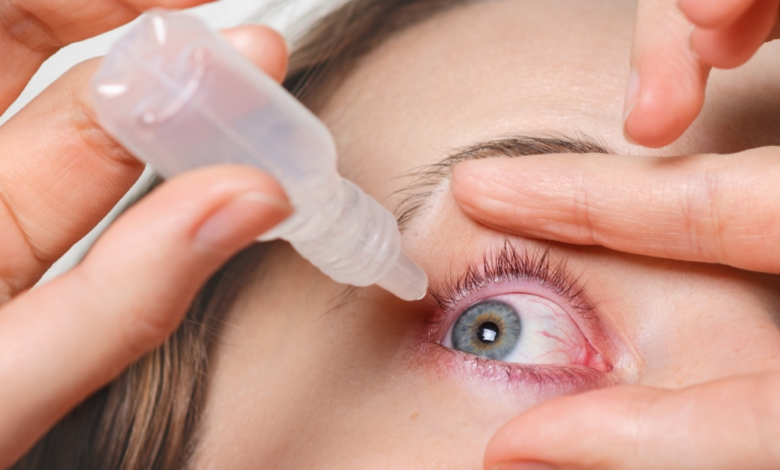
With the arrival of winter and the drop in temperatures, many focus on protecting their skin from dryness and cracking, neglecting another vital organ severely affected by the cold weather: the eye. Harsh winter weather is typically associated with low humidity levels, causing tears to evaporate more quickly, resulting in what is known as "winter dry eye.".
Why does the problem of dry eyes increase in winter?
Scientifically, cold air holds less water vapor than warm air. When temperatures drop, the outdoor air becomes drier, and the use of central heating and radiators in homes and offices exacerbates the problem by significantly reducing indoor humidity. This combination of dry air, both outdoors and indoors, destabilizes the tear film covering the surface of the eye, making it more susceptible to irritation and inflammation.
The impact of dry eyes on your daily life
Dry eye isn't just a problem of discomfort; it can directly impact quality of life and productivity. People with chronic dry eye in winter may experience difficulties with:
- Driving at night is dangerous due to light scattering and blurred vision.
- Working for long periods in front of computer screens reduces the blinking rate, which increases the severity of dryness.
- Reading or engaging in activities that require careful visual concentration.
The most important symptoms of dry eye to be aware of
According to ophthalmologists, warning signs include the following:
- Noticeable redness in the whites of the eyes.
- Persistent itching and a desire to rub the eyes.
- The sensation of a foreign object or sand inside the eye.
- Sudden, stabbing pains.
- Increased tear production (as a reflex of the eye to moisten itself).
8 golden tips for prevention and treatment
To maintain the health and comfort of your eyes during the winter season, doctors recommend following these strategies:
- Frequent blinking: Deliberate and frequent blinking helps to spread tears evenly across the surface of the eye, especially when using electronic devices.
- Continuous hydration: Use preservative-free moisturizing eye drops (artificial tears) to compensate for a lack of natural tears.
- Warm compresses: Applying warm, moist compresses to the eyelids helps to open the oil glands and improve the quality of tears.
- Internal hydration: Drink sufficient amounts of water, warm fluids, and herbal teas to maintain overall body hydration, especially for the eyes.
- Protecting your eyes outdoors: Be sure to wear sunglasses when going out, as they act as a barrier that repels cold winds and reduces tear evaporation.
- Using air humidifiers: It is recommended to use a “Humidifier” to add moisture to the dry air inside rooms and offices.
- Avoid contact lenses: It is preferable to replace contact lenses with eyeglasses on very cold days or when feeling dry, as lenses can absorb moisture from the eye and increase irritation.
- The 20-20-20 rule: Every 20 minutes, look at something 20 feet away for 20 seconds to relax your eye muscles.
In conclusion, if the symptoms persist or worsen despite following these tips, it is essential to visit an ophthalmologist to examine the tear film and rule out any other infections that may require drug treatment.