Fasting during Ramadan for pregnant women: When is it safe and what are the critical cases?

With the arrival of the holy month of Ramadan, an important question arises for a large segment of women: Is fasting safe for pregnant women? And what are the medical guidelines that must be followed? To answer this question, Dr. Firas Al-Kharouf, a consultant in maternal medicine, provides a clear medical perspective that identifies the essential differences between a normal, stable pregnancy and critical cases that require immediate breaking of the fast to protect the health of the mother and fetus.
The religious and medical context of fasting during pregnancy
Fasting is a fundamental pillar of Islam, but Islamic law grants dispensation to those with valid excuses, including pregnant and breastfeeding women if they fear for their own health or the health of their children. This religious guidance aligns with modern medical perspectives, which emphasize that the decision to fast should be individual and based on a thorough assessment of one's health, as preserving life is considered one of the highest objectives of Islamic law.
Historically, women relied on their personal experiences and assessment of their physical condition. Today, however, seeking expert medical advice is essential to making an informed decision that balances performing the religious duty with ensuring a safe pregnancy.
When is fasting safe for pregnant women?
Dr. Al-Kharouf confirmed that fasting during pregnancy is completely safe in cases of a normal, stable pregnancy. This safety is contingent upon the pregnancy being free of any health risks or complications requiring continuous nutrition or medication at specific times. A pregnant woman intending to fast must ensure she can adequately replenish fluids and nutrients for herself and her fetus during the period between Iftar (breaking the fast) and Suhoor (pre-dawn meal), while also monitoring fetal movement and any abnormalities that may arise.
6 critical categories of people who are prohibited from fasting
Conversely, a consultant in obstetrics and gynecology issued a direct medical warning to several categories of pregnant women whose pregnancies are classified as "high-risk," emphasizing that fasting could pose a real danger to them and their fetuses. These categories include:
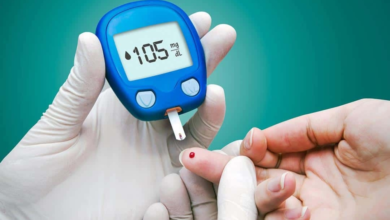
- Diabetic patients (type 1 and type 2): Prolonged fasting can cause dangerous fluctuations in blood sugar levels, between sharp rises or severe drops, which negatively affects the mother and fetal development.
- For women with heart conditions: Fasting may place an additional burden on the circulatory system and heart, especially with the physiological changes the body undergoes during pregnancy.
- Those who have undergone organ transplants: This category needs to strictly adhere to the schedules of immunosuppressant medications and maintain a constant level of fluids in the body, which conflicts with fasting.
- For women with a medical history of premature birth: Dehydration or malnutrition may be triggers that increase the risk of uterine contractions leading to premature birth.
- Those who suffer from persistent and severe vomiting: These conditions, known as “hyperemesis gravidarum,” lead to dehydration and severe nutrient deficiencies, and fasting greatly exacerbates this problem.
- Patients with high blood pressure and pre-eclampsia: Controlling blood pressure and fluid balance is vital in these cases. Fasting may worsen the condition and increase the risk of serious complications such as pre-eclampsia.
The importance and impact of the decision
Raising awareness of these guidelines has a significant impact at the local and regional levels, particularly in Muslim communities. It contributes to reducing pregnancy-related complications during Ramadan and ensures a safe period for both mothers and fetuses. Furthermore, it enables physicians to provide standardized, evidence-based advice, fostering trust between patients and medical staff. Dr. Firas emphasized the importance of adhering to medical instructions and wished everyone continued health and well-being, and a blessed Ramadan for those whose condition allows.