Poultry projects are required to register with Nama for electrical interconnection
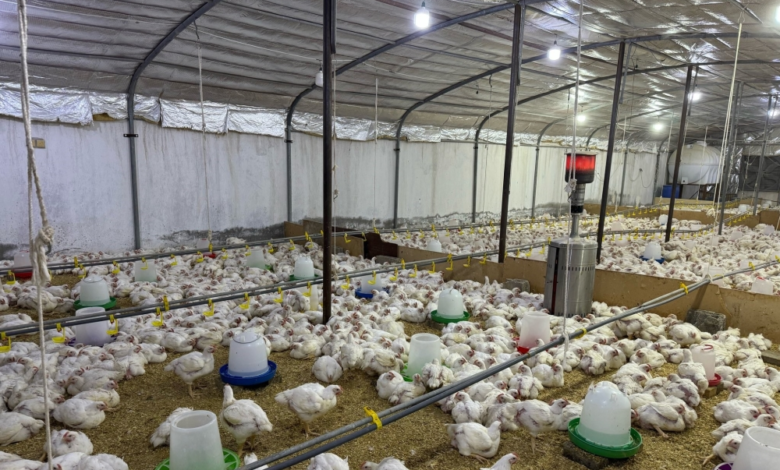
In a strategic move aimed at enhancing the efficiency of the food production sector and unifying national efforts in the field of energy, the Ministry of Environment, Water and Agriculture, in direct coordination with the energy system, called on all investors and owners of poultry production projects in the Kingdom of Saudi Arabia to quickly submit applications to obtain electricity service through the “Nama” electronic portal.
This mandatory measure comes as part of a comprehensive national plan aimed at identifying and calculating the actual electrical loads required by these vital projects, in preparation for integrating them into the planned expansion capacities of the public electricity network, which paves the way for the gradual and complete elimination of the use of liquid fuel in the operational processes of farms and related factories.
Liquid Fuel Displacement Program: A Strategic National Context
This move falls under the National Liquid Fuel Replacement Program, a key initiative launched by the Kingdom as part of Vision 2030. The program aims to replace liquid fuels (such as diesel and crude oil) used in electricity generation and in the industrial and agricultural sectors with more efficient and sustainable energy sources, such as natural gas and renewable energy, or direct connection to the national electricity grid. This step is essential to maximizing the benefit from the Kingdom's hydrocarbon resources by exporting them or using them in value-added downstream industries instead of burning them domestically, thus strengthening the national economy.
Technical requirements and detailed feasibility studies
The ministry explained that this directive was based on the outcomes of joint coordination among relevant government agencies. Technical studies of electrical loads revealed specific requirements and factors that must be considered to determine the feasibility of a safe and stable connection for poultry farms to the public grid. Therefore, submitting applications officially through the “Nama” platform is a prerequisite for enabling the Saudi Electricity Company to conduct detailed technical feasibility studies for each project individually, ensuring that grid stability is not affected and that the project's needs are met efficiently.
Supporting food security and environmental sustainability
This decision carries significant economic and environmental dimensions that extend beyond mere electrical interconnection. The poultry sector is a cornerstone of the Kingdom's food security, and the government aims to raise its self-sufficiency rates to record levels. The shift from liquid fuel-powered generators to the electrical grid will significantly reduce operating and maintenance costs for investors, positively impacting the final price for consumers. Furthermore, this transition will decrease carbon emissions and environmental pollution resulting from fuel combustion on farms, aligning with the "Saudi Green" initiative and global environmental standards.
Call for swift compliance
The Ministry emphasized in a circular addressed to the Federation of Saudi Chambers that registration in the “Liquid Fuel Displacement Program” is the first and mandatory procedural step to ensure the allocation of electricity to facilities. The Federation of Saudi Chambers also called on all stakeholders in the sector to contact the secretariat of the relevant committee with any inquiries, to ensure swift compliance with the new requirements and avoid any obstacles that might hinder future electrical interconnection, thus guaranteeing the continuity and sustainability of production.