Awamiyah Traditional Food Festival: 20 Heritage Dishes
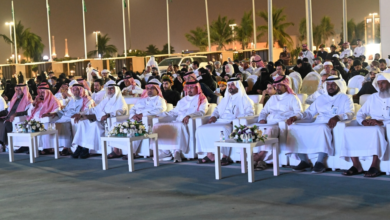
In a move reflecting the rich cultural heritage of the Kingdom of Saudi Arabia, the Culinary Arts Commission launched the "Traditional Food Festival" at the Al-Rams project in the heart of Awamiyah in the Eastern Province. This event offers visitors a unique and interactive culinary experience that takes them on a journey through the Kingdom's five regions, aiming to document and present the national culinary heritage with a professional touch that blends the authenticity of the past with modern presentation.
The importance of the festival in the context of Vision 2030
This festival is not merely a fleeting entertainment event; it is part of a comprehensive national strategy led by the Ministry of Culture and the Culinary Arts Commission to promote national identity. Saudi cuisine is an integral part of the Kingdom's intangible heritage, and its documentation contributes to preserving the social history for future generations. These efforts align with the goals of Vision 2030, which seeks to make culture a way of life and a driver of economic growth, recognizing the culinary sector as a soft power that enhances the Kingdom's tourism and cultural standing on the international stage.
A journey through the regions of the Kingdom in an open kitchen
The grounds of the “Al Rams” project have been transformed into a vibrant open kitchen, where professional Saudi chefs gathered around a single national table to present more than 20 traditional dishes spread across six pavilions representing the Kingdom’s geographical diversity. This diversity reflects the rich environment of each region, allowing visitors to explore the subtle differences and distinctive flavors shaped by the nature of each area.
During a tour of the pavilions, Chef Noura Al-Arifi, representing the Western Region despite being from the Eastern Province—a testament to cultural unity—explained that the festival connects food with social occasions. Al-Arifi showcased popular Hijazi dishes such as "Mantu" stuffed with meat and onions, "Balila," and "Saleeg" (a traditional dish from Taif), in addition to "Shurbat Al-Hub," a staple of Ramadan meals.
Flavors from Najd, the North, and the South
From the heart of Najd, Chef Abdullah Labi presented dishes from the central region, characterized by their richness and warmth, perfectly suited to the desert climate. These included dishes like "Jareesh," "Matzeez," and "Kibbeh Hail," alongside winter sweets such as "Haneeni" and Qassim's "Kleija." Meanwhile, from the northern region, Chef Munira Abdullah showcased dishes entirely based on local resources, such as "Malihiyah" and "Bakilah," made from the wild Samh plant, and "Faqee," a dish featuring truffles, highlighting the culinary treasures of the northern border.
In the southern corner, Chef Sakina Al-Farhan excelled in presenting “Southern Areeka” and “Mifa” bread, emphasizing the great support that the Authority gives to young chefs to highlight this diversity.
Eastern Province: Host and Authenticity
As the host region, Eastern cuisine shone through, particularly through Chef Tahani Abdullah from Al-Ahsa, who presented "Mufallaq Al-Rubyan," a winter staple based on wheat and shrimp, alongside "Harees" and "Luqaimat." Chef Tahani highlighted the festival's vital role in introducing new generations to dishes that were nearly lost, restoring their significance as part of the Al-Ahsa and Qatif identity.
A holistic experience and a lasting impact
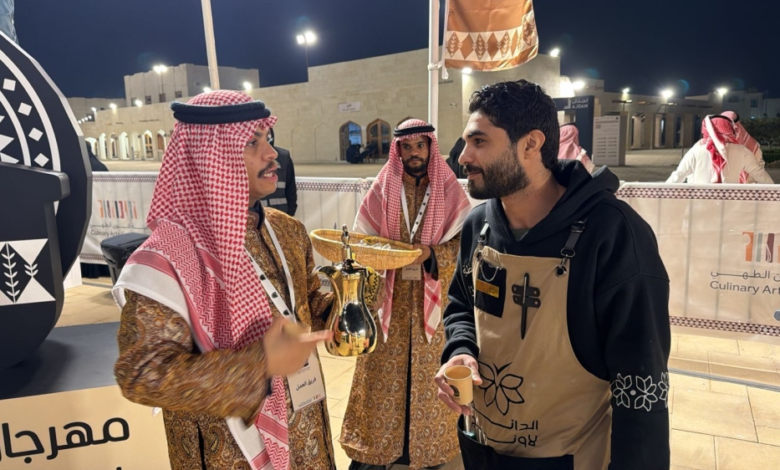
The experience wasn't limited to food; it also included traditional hot beverages. Barista Omar Hassan demonstrated the preparation of Hijazi almond coffee, Najdi saffron milk, and Al-Ahsa lime. This festival is expected to have a tangible positive impact on domestic tourism in the Eastern Province, in addition to supporting local producers and chefs, thus contributing to the sustainability of professions associated with Saudi Arabia's culinary heritage.