Warnings in the Philippines: Mayon volcano continues to spew lava and cause landslides
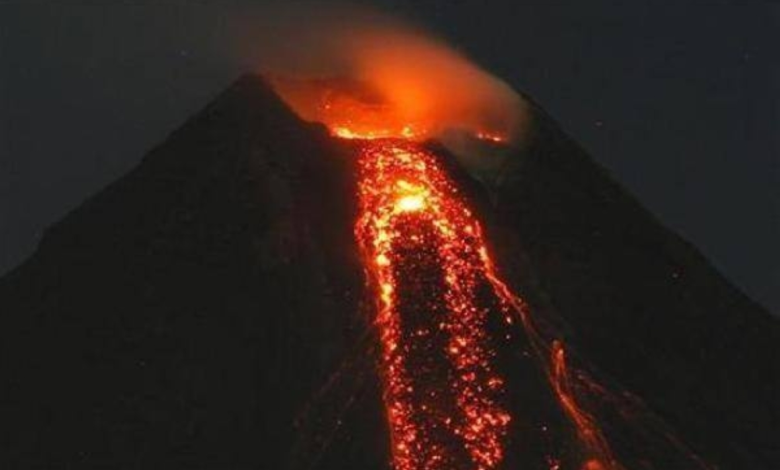
The Philippine Institute of Volcanology and Seismology (PHIVOLCS) renewed its strong warnings on Thursday for residents and tourists to stay away from the vicinity of Mayon Volcano, due to continued volcanic activity and lava flows. This warning is a necessary precautionary measure to protect lives in the areas surrounding this active volcano.
Intense seismic and rock activity detected
In the technical report, Dr. Teresito Pacolcol, head of the institute, explained that monitoring equipment recorded alarming activity over the past 24 hours, up to this morning. The data included one volcanic earthquake, 162 rockfalls, and 50 massive lava flows (PDCs). These figures indicate instability in the volcanic dome, necessitating heightened vigilance and staying away from the permanent danger zone.
“Mayon”... The perfect cone and the historical killer
Mount Mayon, located in Albay province in the Bicol region, rises to a height of 2,462 meters above sea level. It is known worldwide for its near-perfect cone shape, making it one of the most beautiful volcanoes in the world, but it is also the most active in the Philippines. Historically, the volcano has erupted more than 50 times in the last 400 years. Perhaps the most tragic eruption in its recorded history was in 1814, when lava completely buried the town of Cagsawa, leaving thousands dead. The bell tower of the old church still stands today as a testament to that disaster.
Tourism faces the dangers of the Ring of Fire
The Philippines lies within the Pacific Ring of Fire, a region of intense seismic and volcanic activity. Despite the risks, Mount Mayon is a popular tourist destination, attracting climbers and photographers from around the world. However, authorities maintain a permanent 6-kilometer radius danger zone around the volcano, prohibiting habitation and access. The current activity is reminiscent of the June 2023 eruption, which forced the evacuation of some 20,000 local residents, highlighting the ongoing challenge of balancing tourism with public safety.