Kanlaon volcano erupts in the Philippines, warnings of an imminent explosion
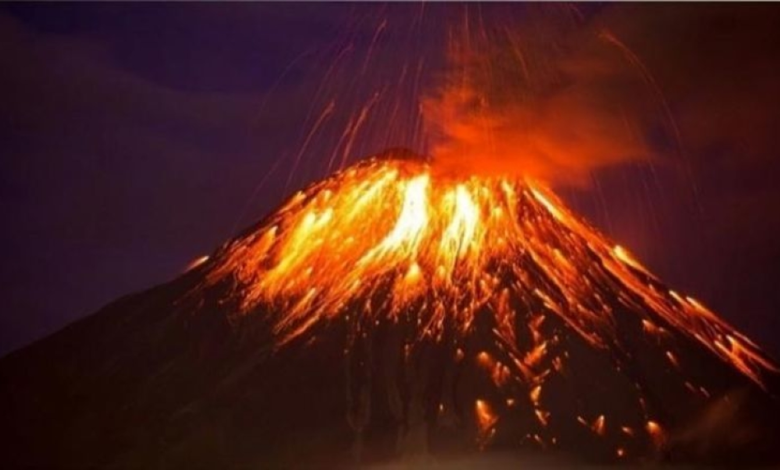
Volcanic activity in the Philippines has increased
The Philippine Institute of Volcanology and Seismology (PHIVOLCS) announced a new eruption of the Kanlaon volcano on Negros Island in the central Philippines, triggering a state of high alert in the surrounding areas. The eruption released a dense column of ash, steam, and gases that reached approximately 2,500 meters into the atmosphere, prompting the raising of the alert level to Level 2, indicating increased volcanic activity that could lead to more violent eruptions.
Geological context: The Philippines and the Ring of Fire
The Philippines lies along the Pacific Ring of Fire, a region of high seismic and volcanic activity due to tectonic plate movement. This geographic location makes the archipelago home to more than 20 active volcanoes, with Kanlaon being one of the most active. Standing at 2,465 meters, Kanlaon is an active stratovolcano with a history of small to medium-sized eruptions, mostly phreatic (steam-burst) eruptions, but experts always fear the potential for a more destructive magmatic eruption.
A history of activity and repeated warnings
Mount Kanlaon has seen increased activity in recent months, prompting authorities to monitor it closely. Teresito Pacolcol, director of the Philippine Institute of Civil Defense, told state media that a larger eruption is possible in the coming days or weeks. The Philippine Office of Civil Defense explained that this heightened activity has forced authorities to evacuate thousands of residents from villages and agricultural areas within the permanent danger zone, a 4-kilometer radius around the volcano's crater. Many of these residents remain in temporary shelters, waiting for the danger level to decrease so they can return home.
Expected local and regional impacts
Volcanic activity has far-reaching effects that extend beyond the immediate danger of lava flows. Ashfall poses a serious threat to public health, potentially causing respiratory problems and eye and skin irritation. Ash also negatively impacts crops and water sources, threatening the livelihoods of farmers in the region. Regionally, the volcanic ash plume could disrupt air traffic, with numerous flights to and from nearby airports already canceled or diverted as a precaution to ensure the safety of aircraft and passengers. Authorities are monitoring the situation around the clock and urging residents to exercise extreme caution and adhere to evacuation instructions.