Death toll from Philippine ferry sinking rises to 29: Full details
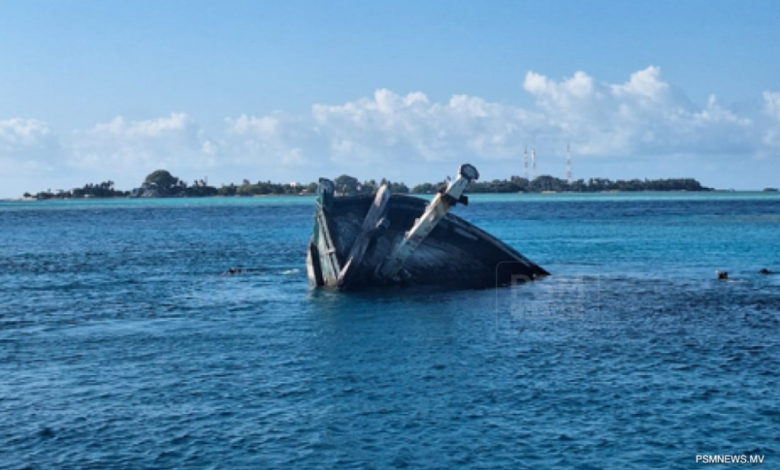
The Philippine Coast Guard, in a tragic update, announced that the death toll from the horrific ferry sinking off the coast of the Philippines has risen to 29, after search and rescue teams recovered 11 more bodies today. These developments have once again highlighted the tragedy of the vessel, which was carrying more than 300 people, amid fears that the number will increase as the search continues.
Details of the tragic accident
According to official reports, the vessel, known as the MV Trisha Kirstein 3, was carrying at least 344 passengers, including crew members, when it sank last Monday off the coast of Mindanao Island in the southwestern part of the archipelago. A coast guard spokesperson told a local radio station that the number of missing persons is no longer confirmed, further complicating the humanitarian situation as rescue teams race against time in potentially difficult sea conditions.
Geographical context and the importance of maritime transport
To understand the dimensions of these recurring accidents, one must consider the geography of the Philippines. This Asian archipelago comprises over 7,100 islands, making maritime transport the lifeblood of movement and trade between them. Millions of residents rely daily on ferries and ships as their primary mode of transportation, much like buses and trains in landlocked countries. Given this critical need, older or poorly maintained vessels are often used, and safety and inspection procedures are lax, making sea travel perilous.
A history of maritime disasters
This incident is not isolated; it is part of a painful history of maritime disasters in the Philippines. The country has a poor maritime safety record, with frequent monsoon storms, poorly maintained vessels, and overcrowding contributing to these tragedies. The world will not forget the Doña Paz ferry disaster of 1987, when it collided with an oil tanker, killing more than 4,300 people in the worst peacetime maritime disaster in history. This tragedy continues to put pressure on Philippine authorities to improve safety standards.
Effects and demands for stricter oversight
This latest incident has sparked a wave of grief and public outrage, renewing calls for stricter oversight of maritime transport companies, verification of vessel seaworthiness, and strict adherence to passenger manifests to prevent overcrowding. The recurrence of such tragedies not only affects the bereaved families but also casts a shadow over the region's tourism and transportation sectors, necessitating urgent government action and a comprehensive review of the country's maritime safety protocols to ensure such disasters are not repeated.