A military helicopter crash in Peru kills 15 people
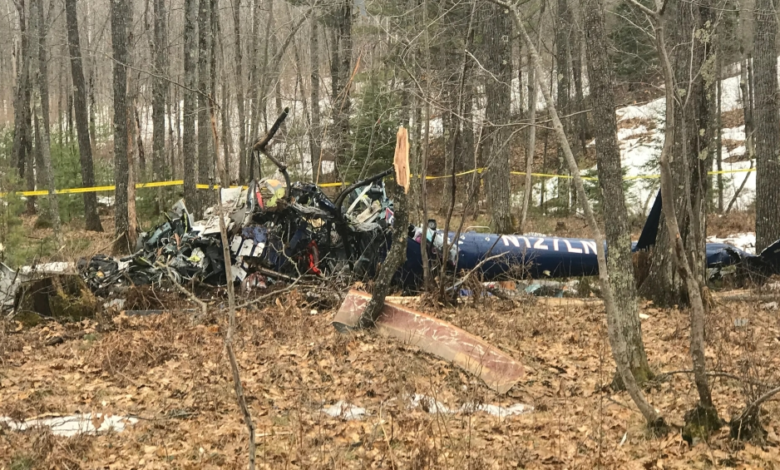
The Peruvian Air Force announced a tragic accident in which a military Mi-17 helicopter crashed in the Arequipa region of southern Peru, killing all 15 people on board. The crash occurred while the helicopter was on a humanitarian mission, adding another layer of grief to the tragedy that has shaken both the military and the public in the country.
General context and historical background
The Arequipa region, where the accident occurred, is part of the rugged Andes Mountains, which pose a significant challenge to flight operations due to sudden weather changes and complex terrain. The Peruvian armed forces rely heavily on helicopters, particularly the Russian-made Mi-17, to carry out a variety of missions, ranging from military operations against remnants of rebel groups and drug traffickers in remote areas to providing logistical and relief support to isolated communities. Historically, Peru has experienced frequent military aviation accidents, some attributed to difficult operating conditions and the age of certain parts of the air fleet, placing constant strain on maintenance crews and aircrews.
Details of the incident and search efforts
According to an official statement from the Air Force, the helicopter lost radio contact Sunday afternoon while en route to deliver food aid to drought-stricken communities in the region. Following an extensive search involving special forces and police patrols, the wreckage was located. Rescue teams arriving at the scene confirmed the deaths of the four crew members, as well as the eleven passengers on board the humanitarian mission. Authorities have launched an immediate investigation to determine the exact cause of the crash, which may include a mechanical failure, human error, or extreme weather conditions.
Importance and expected impact
Domestically, the incident caused deep sorrow and highlighted the risks faced by armed forces personnel even in non-combat missions. It also represents a blow to relief efforts in remote areas that rely on air transport as a vital lifeline. Nationally, the incident is expected to spark a debate about military aviation safety, the need to modernize the air fleet, and the provision of resources to ensure the highest standards of maintenance and training. While the international impact of the incident is limited, it falls within the context of the challenges faced by many Latin American air forces in operating and maintaining their equipment under harsh geographical and climatic conditions.