Landslide in Peru: 12 dead and 30 missing in the Amazon
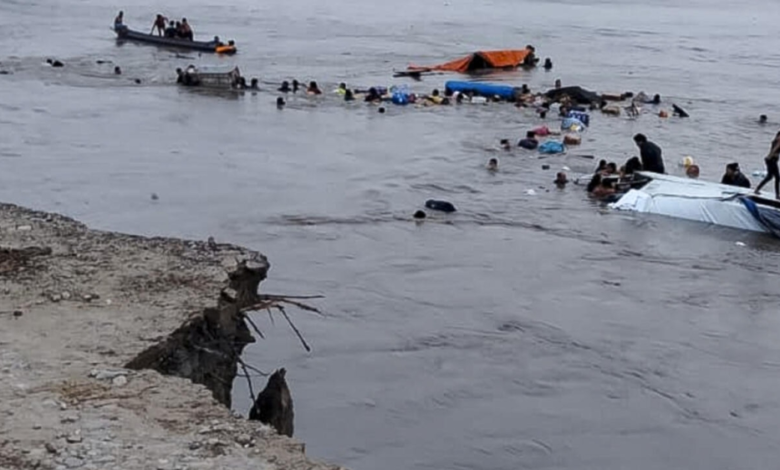
The Ucayali region, deep in the Amazon rainforest of central Peru, awoke to a horrific human tragedy when a sudden landslide at a river port left at least 12 people dead and around 30 missing. The incident, which occurred in the early hours of the morning, transformed the river's tranquility into a scene of chaos and grief after a massive mound of earth swept away two boats moored at the site.
Details of the terrifying moments
According to reports from the official news agency Andina and local police sources, the disaster occurred at the Ibaria river port. A massive landslide from the higher riverbank generated violent waves and immense hydraulic pressure, causing two passenger boats to capsize and sink within moments. The National Emergency Operations Center reported that the timing of the incident at dawn, with near-zero visibility, made it impossible for the victims to comprehend what was happening or escape in time.
Initial investigations indicate that one of the boats was empty, while the other was packed with approximately 50 passengers, a common pattern for river transport in those areas, which explains the high number of victims and missing persons. Local authorities have mobilized all their resources and requested urgent logistical support from the Peruvian Navy to address the challenges of searching in the murky waters with strong currents.
A perilous lifeline
The scale of this tragedy cannot be understood apart from the geographical and social context of the Amazon. In Ucayali province, as in most of the Amazon basin, there are no road networks connecting remote villages and towns. Rivers are the only highways, and boats are the primary means of transport for people, goods, and food. This total dependence on river transport places the population in direct and daily contact with the dangers of nature, as the boats used are often old and lack modern safety standards, making any natural disturbance a potential disaster.
Deadly geology of the Amazon riverbanks
Scientifically, this incident highlights a geological phenomenon known as riverbank erosion. The soil in the Amazon basin is sedimentary, composed primarily of silt and loose sand. With the constant flow of water, especially during the rainy season or when river levels change, the lower bases of the banks erode, leaving the upper layers suspended unsupported. These blocks collapse suddenly and without warning, sometimes weighing hundreds of tons, posing a significant threat to makeshift ports and homes built along the riverbanks.
Rescue challenges and the future
Rescue teams face enormous logistical challenges. The area is remote and requires hours of river travel to reach, and the turbid waters hamper the divers' work. This incident has brought to the forefront the issue of infrastructure in rural Peru and renewed calls for the construction of safe, engineered river ports and the implementation of early warning systems to monitor riverbank stability, thus protecting the lives of people living in what is considered the lungs of the world.