Horse Origins Exhibition: The History of the Saudi State on its Founding Day
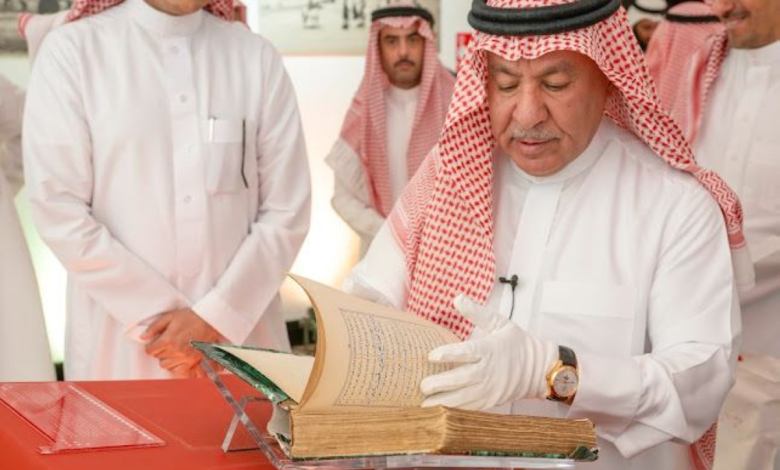
Coinciding with the Kingdom of Saudi Arabia's National Day celebrations, the King Abdulaziz Public Library inaugurated a unique cultural exhibition entitled "The Origins of Horses," highlighting the pivotal role of purebred Arabian horses in the history of the Saudi state since its inception three centuries ago. The library's general supervisor, Professor Faisal bin Abdulrahman bin Muammar, emphasized that the exhibition offers a well-documented and insightful perspective on a crucial period in the Kingdom's history, showcasing how human strength, the noble lineage of horses, and unwavering determination converged to shape the nation's history and solidify its unity.
Historical context: The horse as a founding partner
The Founding Day commemorates the establishment of the First Saudi State by Imam Muhammad bin Saud in 1727 CE, a pivotal moment in the development of a centralized state in the heart of the Arabian Peninsula. In that era, horses were not merely a means of transportation or a tool of war, but a symbol of strength, chivalry, and heritage, and an essential partner in the unification process. The horsemen of the Saudi state relied on them to maintain security and unify the country, and their neighing became an integral part of the heroic tales that shaped the nation's history. The "Origins of Horses" exhibition explores this profound relationship between rider and steed, and how together they formed the foundation of the state.
Rare treasures and unique manuscripts
The exhibition features a collection of rare historical artifacts reflecting the library's more than four decades of dedication to collecting and documenting all things related to horses and horsemanship. Among the most prominent of these treasures is the original manuscript of "The Origins of Horses" by Abbas Pasha I, the preparation of which began in 1848. Ibn Muammar noted that this manuscript is unparalleled in the world, considering it one of the rarest sources the library has ever acquired. The manuscript is a precise scientific reference for documenting the lineages, breeds, and owners of Arabian horses, making it an invaluable historical document.
In addition, the exhibition showcases a variety of other sources, both local, Arab, and foreign, including the book "Oriental Horses," published in 1821, which is considered one of the earliest Western studies on Arabian horses. It also features rare photographs taken by the British Princess Alice in 1938, and the writings of the historian Ibn Bishr in his book "The Title of Glory in the History of Najd" about the role of horses in the first and second Saudi states.
Cultural significance and national and international impact
The exhibition's significance extends beyond its status as a local cultural event, encompassing regional and international dimensions. Nationally, it contributes to strengthening national identity among younger generations, connecting them to their ancestors' history and authentic heritage, and providing documented historical evidence that underscores the depth of this connection. Regionally, the exhibition highlights the Kingdom's position as a custodian of Arabian equestrian heritage and a leading advocate for preserving purebred Arabian horses. Internationally, the exhibition presents a vibrant image of Saudi Arabia's rich heritage to the world, emphasizing the Kingdom's role in safeguarding shared human heritage, as its rare artifacts attract the attention of researchers, historians, and horse enthusiasts from around the globe. The exhibition continues at the library's Khurais Road branch until the end of August 2026, offering visitors a journey of knowledge through time, linking the past with the present under the banner of the Kingdom's founding day.