Outcomes of the OIC meeting: 38 resolutions on Somalia and Palestine
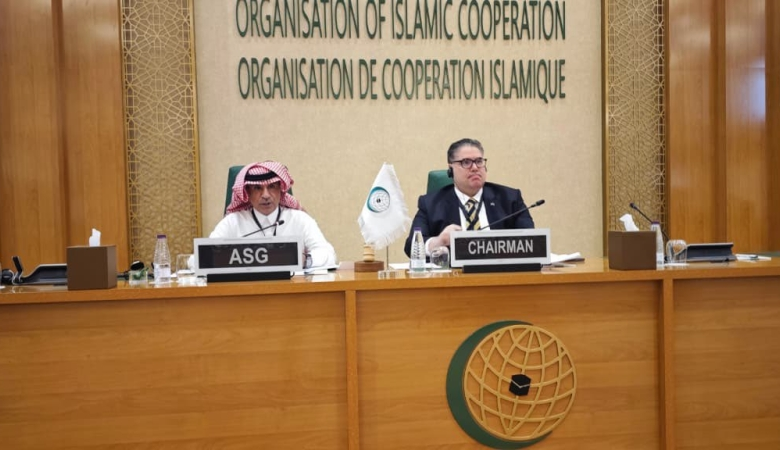
In a decisive diplomatic move reflecting the gravity of the current challenges facing the Islamic world, the Organization of Islamic Cooperation (OIC) its 22nd Extraordinary Session of the Council of Foreign Ministers, held in Jeddah, Saudi Arabia. The meeting resulted in two final communiqués containing 38 key points, focusing primarily on the alarming developments in the Horn of Africa and the ongoing aggression against the Palestinian territories.
Regional context: The Horn of Africa crisis and foreign interventions
This emergency meeting comes at a highly sensitive time, as the Horn of Africa region witnesses escalating geopolitical tensions. The latest crisis stems from Israel's recognition of Somaliland as an independent state, a move the organization considers a dangerous precedent that threatens the territorial integrity of Somalia. Historically, Somalia has suffered from attempts at fragmentation, and this Israeli intervention further complicates the situation in a region that controls the entrance to the Red Sea, a vital artery for global trade.
Observers believe that this Israeli move not only targets Somalia, but also represents an attempt to change the geopolitical map of the Bab al-Mandab and Gulf of Aden region, which poses a direct threat to Arab and Islamic national security, and raises legitimate concerns about the militarization of international waterways.
Key outcomes of the statement on Somalia
The final statement on Somalia, comprising 22 points, emphasized the unequivocal rejection of any infringement upon the sovereignty of the Federal Republic of Somalia. Among the most prominent resolutions were:
- Condemnation of Israeli recognition: The recognition of "Somaliland" is considered null and void and without legal effect, and a flagrant violation of the United Nations Charter and international law.
- Rejection of military presence: Warning against any illegitimate foreign military or intelligence presence on Somali territory, and considering it a red line.
- Diplomatic isolation: A call for member states and the international community to refrain from any official dealings with the authorities of the breakaway region outside the framework of the federal government.
- International action: Turning to the Security Council and the United Nations General Assembly to issue resolutions that support the unity of Somalia and reject Israeli actions.
The Palestinian issue: The centrality of the conflict and the continuation of the aggression
On the other hand, and in keeping with the historical role of the organization, which was originally founded to defend Jerusalem, the Council issued a detailed statement on the developments in Palestine. This comes amidst the ongoing Israeli aggression against the Gaza Strip and the West Bank, and the escalation of settlement policies and forced displacement.
The participants stressed that peace in the Middle East cannot be achieved without a just solution to the Palestinian issue, based on international law and the Arab Peace Initiative. The statement on Palestine included 16 points focusing on:
- Ceasefire: Demanding the immediate cessation of hostilities and the complete withdrawal of the occupying forces from the Gaza Strip.
- Rejection of displacement: Firm opposition to plans for the forced displacement of Palestinians, and considering it a crime of ethnic cleansing.
- Supporting UNRWA: Rejecting Israeli laws targeting UNRWA, and emphasizing the need for it to continue its work as an international witness to the refugee issue.
- Legal accountability: Supporting actions at the International Court of Justice and the International Criminal Court to hold Israel accountable for genocide.
- Jerusalem: Emphasizing the Hashemite custodianship of the holy sites, and rejecting any change to the historical and legal status of Al-Aqsa Mosque.
The organization concluded its statement by tasking the Secretary-General with following up on the implementation of these resolutions and submitting periodic reports, stressing that the current challenges require a unified Islamic stance in international forums to preserve regional peace and security.