Nigeria approves $50 billion oil refinery: a strategic shift
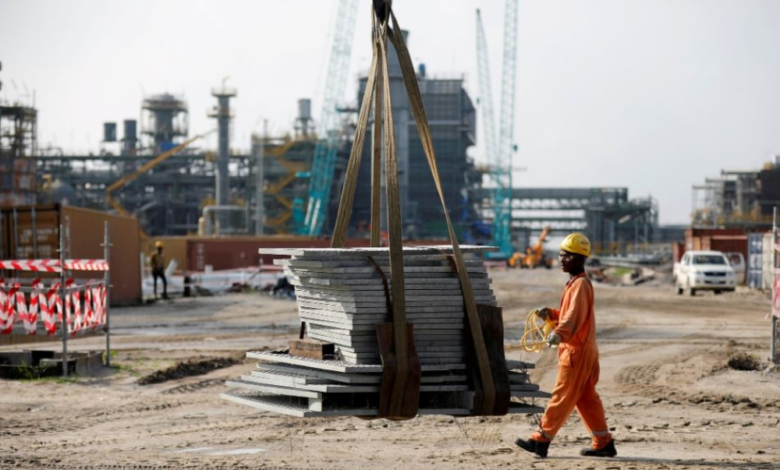
In a strategic economic move aimed at reshaping the energy landscape of the African continent, the Nigerian government has officially announced its final approval of a massive project to build a giant oil refinery, with an estimated investment cost of $50 billion. This step reflects a radical shift in Abuja's policies aimed at strengthening its national crude oil refining capacity and reducing its chronic dependence on refined fuel imports.
Project details and strategic partnership
Nigeria’s Ministry of Petroleum Resources announced in an official statement today that this ambitious project will be implemented through a public-private partnership (PPP) model. This model aims to leverage private sector financing and technical expertise while ensuring government oversight and guidance to serve national interests. The ministry explained that the new refinery is planned for a strategic industrial zone and is designed to have a massive production capacity that will not only meet domestic market needs but also allow for the export of surplus production, thus strengthening Nigeria’s position as a regional energy hub.
The Nigerian oil paradox: a historical context
To understand the significance of this announcement, one must consider the historical and economic context of Nigeria's oil sector. Nigeria is Africa's largest oil producer and a prominent member of the Organization of the Petroleum Exporting Countries (OPEC). Despite possessing vast oil reserves, the country has suffered for decades from a peculiar economic paradox: it is forced to import the vast majority of its refined fuel (gasoline and diesel) needs. This is due to the dilapidated state-owned refineries and their near-complete shutdown, resulting in substantial losses to the national budget through fuel import subsidies and the depletion of foreign currency reserves.
Expected economic impact and regional dimensions
This $50 billion project has far-reaching economic implications that go beyond simply building an industrial facility:
- Energy security: The project will contribute to ending the recurring fuel shortage crises that plague Nigerian cities and negatively affect daily life and business activity.
- Strengthening the local currency: By halting imports of petroleum products, Nigeria will be able to save billions of dollars annually, easing pressure on the Naira currency and improving the trade balance.
- Job creation: The project is expected to provide thousands of direct and indirect job opportunities for Nigerian youth, both during the construction and operation phases.
- Regional impact: Thanks to the expected export surplus, Nigeria will transform from a fuel importer to a major supplier to West African countries, enhancing its economic and political influence in the Economic Community of West African States (ECOWAS).
Approval of this mega-project sends a strong message to international investors about Nigeria’s seriousness in reforming the energy sector, and is a crucial step towards achieving self-sufficiency and sustainable growth in Africa’s largest economy.