A historic snowstorm hits New York and completely paralyzes life
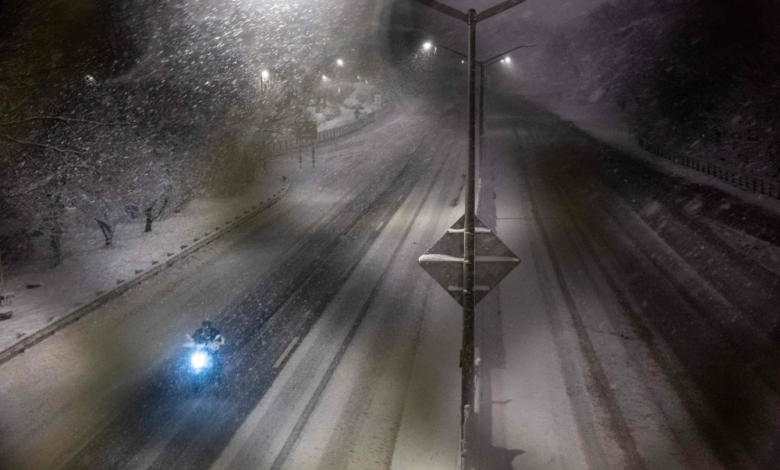
In a dramatic display of nature's power, life in the ever-bustling city of New York City ground to a halt after being struck by a blizzard described as one of the most powerful in years. Authorities declared a state of emergency, imposing a near-total lockdown on streets and bridges and shutting down the entire public transportation network, including subways and buses, in an effort to ensure public safety and allow emergency vehicles and snowplows to operate.
The city council urged residents to stay indoors and avoid all unnecessary travel, as the National Weather Service predicted snow accumulations of over 60 centimeters in some areas. The heavy snow was accompanied by strong winds, creating a veritable blizzard and reducing visibility to near zero, making driving or even walking extremely dangerous.
Historical context of storms in New York
The northeastern United States, with New York City at its heart, is known for its history of severe winter storms, often called "nor'easters" after the northeasterly winds that bring them. These storms form when cold air from Canada meets warm, moist air over the Atlantic Ocean, creating ideal conditions for heavy snowfall. Throughout history, New York City has experienced legendary blizzards, such as the "Great Blizzard" of 1888, which paralyzed the city for days and led to major infrastructure changes, including the construction of the subway system. The current storm adds to this record of extreme weather events that test the city's resilience.
Local and international impact
The storm's impact wasn't limited to New York City; it extended across the entire East Coast, from Washington, D.C., to Boston, causing regional paralysis. Major airports in the region, including John F. Kennedy, LaGuardia, and Newark, were shut down, resulting in the cancellation of thousands of domestic and international flights and a ripple effect on global travel. Economically, the shutdown of a city the size of New York, a global financial center, translates into losses estimated at millions of dollars daily, as businesses cease operations and shops close. All emergency services in the city, from firefighters and police to sanitation workers, are working against the clock to reopen major roads and ensure the continued operation of essential services like electricity and water.