The end of the New START treaty: Russia warns of a global threat
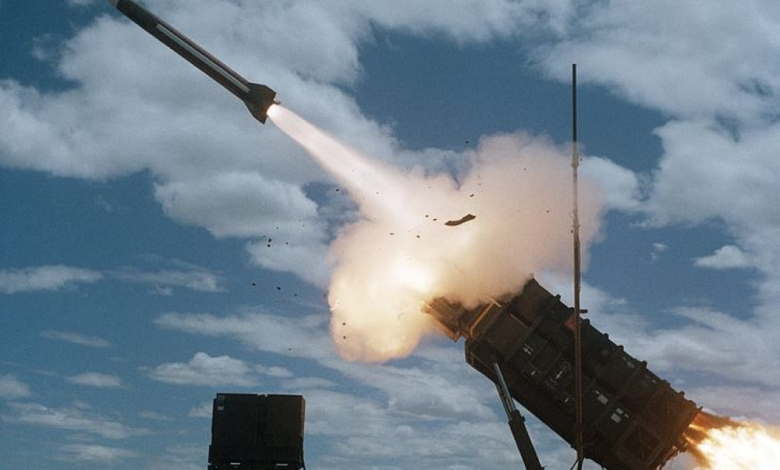
The Kremlin warned on Tuesday of catastrophic consequences for global security as the last remaining nuclear arms control treaty between the two superpowers, the United States and Russia, is set to expire this week. This warning reflects growing international concern about the future of strategic stability in the absence of a legally binding framework.
Warnings from the unknown
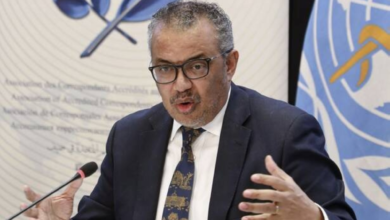
In press statements ahead of the expiration of the New START treaty, Kremlin spokesman Dmitry Peskov declared that the world stands on the precipice of the most dangerous period in modern history. Peskov stated, “In a few days, the United States and Russia, which together possess the vast majority of the world’s nuclear arsenal, will find themselves, for the first time, without any binding document limiting their nuclear capabilities or regulating mutual verification mechanisms.” He emphasized that this situation represents “a very serious setback for global security,” as the treaty officially expires on Thursday, leaving the two nuclear powers in open confrontation without any constraints.
What is the New START treaty?
The New START Treaty, signed in Prague in 2010, is a cornerstone of post-Cold War arms control efforts. It commits both Washington and Moscow to a limit of 1,550 deployed strategic nuclear warheads each, a 30% reduction from the 2002 limit. The treaty also limits each country to 800 heavy strategic bombers and launchers. While these numbers are still sufficient to destroy the planet several times over, the treaty provides a mechanism for transparency and data sharing that has been crucial in preventing miscalculations.
Context of tension and Russian commentary
Reaching this critical juncture was not entirely unexpected; in February 2023, Russia announced the suspension of its participation in the treaty, without a full withdrawal, citing Western policies and intervention in the Ukrainian war. Despite the suspension, Moscow pledged to adhere to the limits on the number of nuclear warheads. The period since has been marked by mutual accusations, with Moscow accusing Washington of obstructing the on-site inspections stipulated in the treaty, which have effectively ceased due to the tense geopolitical situation.
The implications of the absence of the treaty on international security
Strategic experts believe that the expiration of New START without a replacement creates a dangerous "legal vacuum." The absence of semi-annual data exchanges and inspections means that both sides will rely on intelligence assessments rather than confirmed facts, increasing the likelihood of misunderstandings or a slide into a new and costly arms race. Historically, these treaties have helped maintain a balance of terror and prevent a slide into nuclear war. With their absence, other nuclear-armed or aspiring nuclear states may move to bolster their arsenals, threatening the entire nuclear non-proliferation regime.
Last-minute attempts
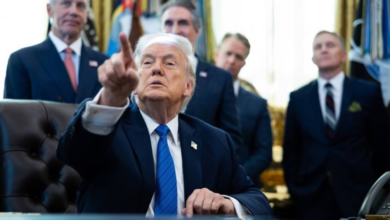
In the context of diplomatic efforts, Peskov noted that the Russian initiative, proposed by President Vladimir Putin in September 2025, to extend the treaty for one year remains on the table. Former US President Donald Trump briefly commented on the proposal, saying, "It sounds like a good idea," but the US administration has yet to provide an official response or take concrete steps to implement the extension, leaving the world cautiously awaiting developments.