Requirements for remote electronic exams in Saudi Arabia 1447
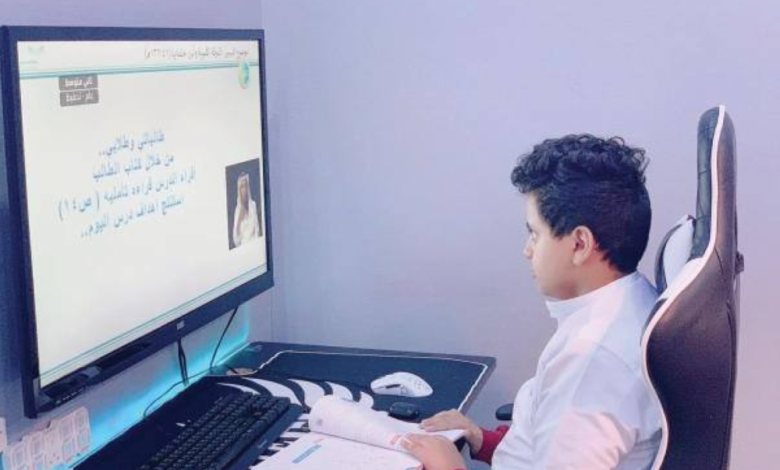
The Saudi Ministry of Education has approved a new and stricter technical and organizational protocol to regulate the mechanisms of "remote electronic examinations" for students with special circumstances, as part of the general guide for the academic year 1447 AH (2025 CE). This step aims to enhance the governance of digital educational processes and ensure equal opportunities for all students.
Strict digital oversight to ensure integrity
The new regulations impose strict oversight, including the mandatory continuous operation of cameras and microphones throughout the entire exam period. The ministry emphasized that students must wear their school uniforms during the live broadcast, a measure intended to foster a sense of seriousness and a school-like atmosphere at home, and to uphold the sanctity and integrity of the educational process, even when conducted online.
A testing environment with specific standards
The ministry has set precise standards for the home testing environment, requiring students to have a secluded and completely quiet place with clear and continuous lighting. It also stipulated that the surroundings be free of any additional devices or people who might arouse suspicion, and that the student's gaze be directed exclusively to the test screen while maintaining complete silence to prevent any behavior that could be interpreted as an attempt to cheat.
Identity and security verification procedures
To ensure the highest level of reliability, the protocol requires students to clearly display their national ID or identification card in front of the camera before the session begins for digital verification. The instructions also mandate a comprehensive 360-degree camera scan of the seating area and surroundings at the start of the session to provide immediate and documented proof that the location is free of any unauthorized aids.
Dealing with technical malfunctions
On the technical side, the regulations addressed the possibility of technical disruptions, granting teachers exceptional authority to allow students to re-enter the exam if they experience an emergency interruption during the first half of the allotted time. The Ministry also directed school administrations to schedule urgent alternative exam dates in the event of widespread technical malfunctions, ensuring students' right to a fair assessment.
The context of digital transformation in Saudi education
These measures complement the Kingdom's ongoing digital transformation, which has accelerated significantly since the launch of the "My School" platform. Having demonstrated the efficiency of its digital infrastructure over the past years, the Ministry now seeks to move from simply "providing the service" to "enhancing the outcomes," ensuring that certificates and grades awarded through digital channels are as valid and credible as those awarded in in-person exams.
Importance and expected impact
These conditions are of paramount importance in promoting educational fairness, as they ensure that no student obtains undeserved grades through illegitimate means, thus protecting the rights of diligent students. Furthermore, these standards align with global best practices in remote testing, enhancing the ranking and credibility of the Saudi education system both regionally and internationally.