The Meteorology Department warns of strong winds and dust storms in Tabuk and Najran today
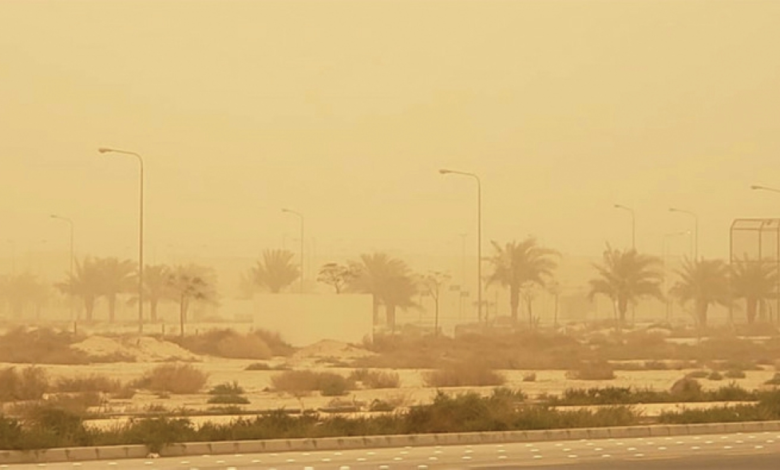
The National Center for Meteorology in Saudi Arabia issued an advanced weather alert on Wednesday for the Tabuk and Najran regions, warning of a strong wind wave causing dust storms and significantly reducing horizontal visibility. These warnings are part of the center's ongoing efforts to monitor weather phenomena and advise citizens and residents to take necessary precautions.
Weather details in the Tabuk region
In the Tabuk region, the alert included the coastal governorates of Al Wajh and Umluj, where the effects of the weather system began to appear in the form of active winds that stirred up dust and sand. The center explained that these weather conditions would cause near-zero horizontal visibility, ranging between one and three kilometers. The center also warned of high waves along the coasts, which could affect maritime navigation. This weather system is expected to continue, God willing, until 6:00 PM today.
Winds and dust storms in the Najran region
In the Najran region of southern Saudi Arabia, the center issued a similar alert warning of blowing dust accompanied by strong winds. The effects will include the city of Najran and the governorates of Badr Al-Janoub, Habuna, and Khubash. The report indicated that horizontal visibility will decrease to between 3 and 5 kilometers. The center urged residents of these areas to exercise caution, especially those traveling on highways. This weather condition is expected to continue until 11:00 PM.
The climatic context of dust storms in Saudi Arabia
Dust and sandstorms are a common weather phenomenon in Saudi Arabia and the Arabian Peninsula in general, due to its geography, which consists of vast desert areas such as the Rub' al Khali and the Great Nafud. These storms are most active during the transitional periods between seasons, resulting from the passage of low-pressure systems that generate strong winds capable of carrying enormous quantities of sand and dust over long distances. The National Center of Meteorology plays a vital role in forecasting these phenomena and issuing early warnings to mitigate their negative impacts.
Expected effects and the importance of warnings
These weather phenomena have direct impacts on various aspects of life. In terms of health, asthma and respiratory patients, the elderly, and children are advised to stay indoors and avoid direct exposure to dust. Regarding transportation, reduced visibility increases the risk of accidents on roads and may cause delays or cancellations of flights at local airports. It also affects the daily activities of residents and economic sectors such as construction and agriculture. Therefore, weather warnings are of paramount importance in enabling relevant authorities and individuals to prepare in advance and take the necessary precautions to ensure public safety.