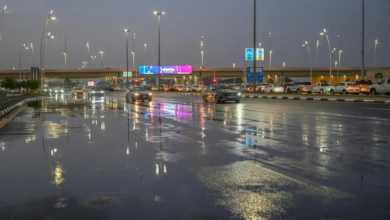
Al-Jawf weather: Frost wave and sub-zero temperatures in Sakaka and Al-Qurayyat

The National Center for Meteorology in Saudi Arabia issued an important alert today for residents of the Al-Jawf region, warning of a severe cold wave and frost expected to affect the area starting tomorrow, Wednesday. This warning comes as part of the ongoing monitoring of weather conditions and atmospheric fluctuations experienced in the northern regions of the Kingdom during the winter season.
Weather details and affected areas
The center explained in its detailed report that the weather conditions will affect the city of Sakaka, in addition to three major governorates in the region: Dumat al-Jandal, Qurayyat, and Tabuk. These areas are expected to experience a sharp and significant drop in temperatures, with minimum temperatures ranging from 0°C to -3°C, creating conditions conducive to frost formation that could affect horizontal visibility and traffic, as well as directly impacting crops.
The weather forecast indicated that the peak of this weather event will begin - God willing - from 1:00 AM and will continue until 8:00 AM on Wednesday morning, which is the period when temperatures will be at their lowest daily average.
Climate context: Why is Al-Jawf the coldest?
The northern regions of Saudi Arabia, specifically Al-Jawf and the Northern Borders, are the primary gateway for cold air masses arriving from Siberia or Eastern Europe via the Levant. Due to their geographical location and open desert landscape, they often experience the lowest temperatures in the Kingdom during winter. Historically, the inhabitants of these areas have been accustomed to severe frosts, particularly during the periods known as "Al-Murabba'aniyah" and "Al-Shab'at," when temperatures regularly drop below freezing. Preparing for such frosts is therefore an integral part of their winter lifestyle.
Safety recommendations and how to deal with frost waves
In these extremely cold conditions, following public safety guidelines recommended by relevant authorities such as the Civil Defense and the Ministry of Health is crucial. Experts advise the following:
- Take care when driving: frost causes vehicles to skid on highways and rural roads in the early morning hours.
- Safe use of heating appliances: Ensure proper ventilation when using coal or kerosene heaters to avoid suffocation accidents, and check the electrical connections of electric heaters.
- Wearing heavy winter clothing: especially for children and the elderly to protect them from colds and hypothermia.
- Protecting crops and livestock: Due to the nature of the agricultural region of Al-Jawf, farmers and livestock breeders are advised to take the necessary measures to protect their crops and livestock from direct frost damage.
The National Center of Meteorology always emphasizes the need to follow daily reports and early warnings through official channels to ensure everyone's safety and avoid any risks that may result from severe weather fluctuations.