The National Afforestation Program identifies 55 plant species for the Qassim environment
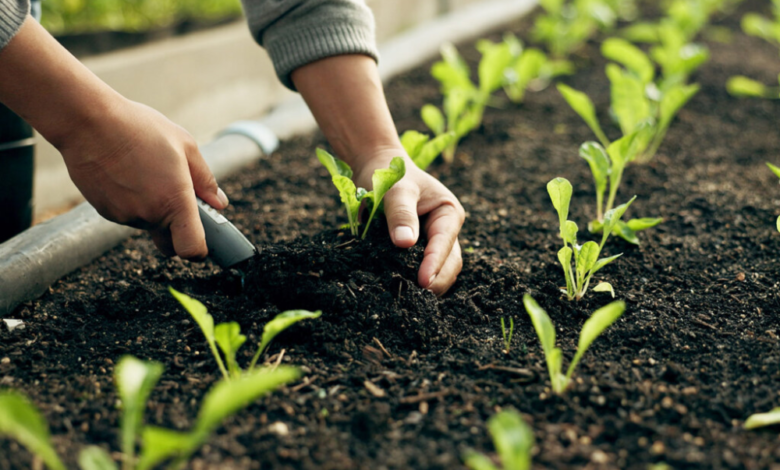
In a strategic move reflecting the Kingdom of Saudi Arabia's commitment to protecting its natural environment and enhancing its sustainability, the National Afforestation Program has announced the adoption of a list of more than 55 native plant species suitable for the nature and terrain of the Qassim region. This step is a key component of efforts to combat desertification and develop vegetation cover, directly aligning with the objectives of the Saudi Green Initiative and the Kingdom's Vision 2030, which places environmental sustainability at the heart of its priorities.
Strategic support for the Saudi Green Initiative
This announcement is not merely a routine procedure; it represents a cornerstone of the Kingdom's environmental structure. The Qassim region, with its central location in Najd, plays a vital role in the ecological balance of the central region. The precise identification of these plant species aims to ensure the success of afforestation efforts and minimize water waste. Plants capable of thriving in harsh climatic conditions were selected, supporting the national ambition to plant 10 billion trees over the coming decades, contributing to reduced carbon emissions, and improving the quality of life.
Biodiversity reflects the identity of the region
The approved list is comprehensive and diverse, covering various plant forms from trees and shrubs to perennial and annual herbs. The program focused on native species that form part of Al-Qassim's environmental identity, most notably:
- Trees and shrubs: such as the acacia, tamarisk, ghaf, and talh, which are species known for their superior ability to withstand drought and high temperatures.
- Aromatic and medicinal plants: such as wormwood and yarrow, which are associated with the region's folklore.
- Grazing plants: such as *Arfaj* and *Ramth*, which contribute to stabilizing the soil and providing food for wildlife.
These plants descend from ancient biological families, led by the legume, chestnut, and tamarisk families, in addition to the grass and composite families, reflecting the biological richness of the Kingdom’s lands.
Terrain adaptation and combating desertification
The National Afforestation Program based its selections on extensive studies of the diverse topography of Al-Qassim. The region encompasses varied terrain, including golden sand dunes, flat plains, and renowned valleys such as Wadi Al-Rummah, the longest valley in the Arabian Peninsula. These selected plants act as natural windbreaks and soil stabilizers in meadows, salt flats, and mountains, thus limiting sand encroachment and reducing dust storms that impact public health and economic activity.
Community partnership for environmental sustainability
Recognizing that environmental protection is a shared responsibility, the program, through this initiative, seeks to activate the role of the local community and various sectors. The current focus is on engaging the public, private, and non-profit sectors in tree-planting campaigns, as well as raising awareness about the importance of using native plants instead of imported ones that may consume large quantities of water. These efforts aim to transform citizens from mere beneficiaries of the environment into active partners in its protection, by promoting a culture of volunteerism and sound environmental practices that ensure the sustainability of these resources for future generations.