Artemis 2 lunar mission postponed | NASA confirms technical glitch
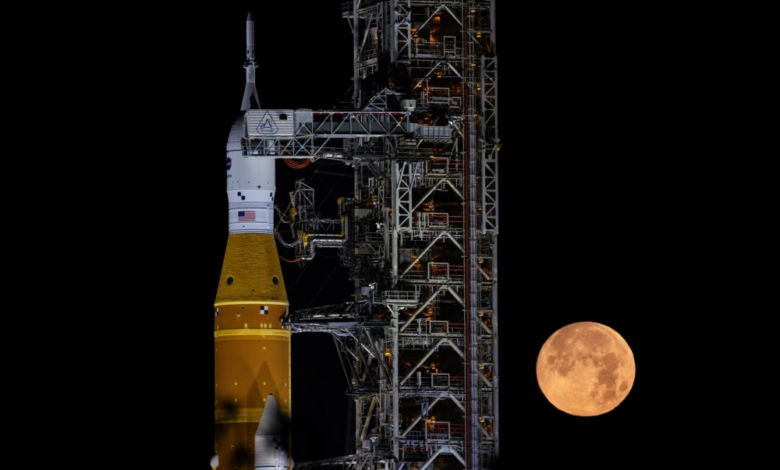
NASA has announced the postponement of the Artemis 2 mission, which would have been the first crewed mission to orbit the Moon in over 50 years, due to a new technical flaw discovered in the Space Launch System (SLS), the most powerful rocket the agency has ever built. This delay poses a setback to the ambitious timeline of the Artemis program, which aims to sustainably return humans to the lunar surface.
According to a NASA statement, a problem was detected with the flow of helium to the rocket's upper stage during pre-launch testing. Helium is a vital component in the launch process, used to purge the engines of any remaining fuel, as well as playing a crucial role in pressurizing the fuel tanks to ensure proper fuel flow to the engines. The agency emphasized that this issue is entirely separate from the liquid hydrogen leak that caused previous delays, highlighting the complex technical challenges facing this historic mission.
Historical context: From Apollo to Artemis
This announcement is reminiscent of the golden age of space exploration with the Apollo program, which culminated in the Apollo 17 astronauts landing on the Moon in December 1972. Since then, humans have not left low Earth orbit. The Artemis program, named after Apollo's twin sister in Greek mythology, represents the next generation of lunar exploration. The program achieved a remarkable success with its first uncrewed mission, Artemis 1, in late 2022, where the Orion capsule and SLS rocket proved their ability to operate in the deep-space environment.
The importance of the mission and its global impact
The Artemis 2 mission is of exceptional importance as it is the crucial step before the actual lunar landing attempt in the Artemis 3 mission. The mission was intended to carry four astronauts on a 10-day journey to orbit the Moon and return to Earth, to test the spacecraft's life support systems and verify their operational capabilities with a human crew. The success of this mission is essential to building confidence in the technology upon which humanity will rely to establish a permanent presence on the Moon, which is considered a future stepping stone to Mars.
Internationally, the Artemis program is seen as a cornerstone of global space cooperation, involving international space agencies such as the European Space Agency (ESA), the Japan Aerospace Exploration Agency (JAXA), and the Canadian Space Agency (CSA). The delay could also impact the new space race, especially given the progress being made by other nations like China in their ambitious lunar programs. While safety remains NASA's top priority, the world eagerly awaits the return of humans to the Moon and the opening of a new chapter in the history of space exploration.