Myanmar earthquake today: A 4.6 magnitude tremor with no damage reported
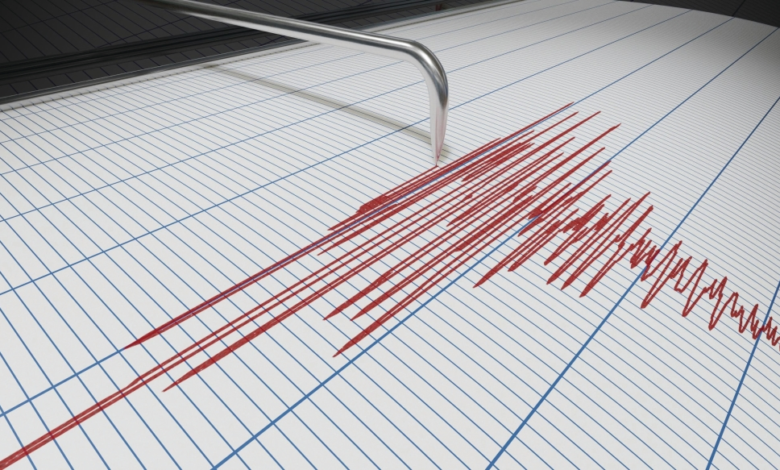
Myanmar experienced another seismic event today, with a 4.6 magnitude earthquake striking parts of the country, according to regional seismic monitoring centers. The Indian National Seismic Monitoring Centre, which closely monitors tectonic activity in the region, stated that the epicenter was at a relatively shallow depth of 10 kilometers, which may have made the tremors felt more strongly than at deeper earthquakes. However, there were no immediate reports of property damage or casualties.
Frequent seismic activity in one week
This tremor is not an isolated event in recent days; experts have noted that Myanmar experienced another earthquake on Monday, measuring 3.9 on the Richter scale. That earlier quake was located at 25.75 degrees north latitude and 96.50 degrees east longitude. Notably, the previous earthquake occurred at a considerable depth of 130 kilometers, which typically explains its relatively weak surface impact compared to shallower earthquakes.
The geological context and tectonic nature of Myanmar
To understand the nature of these earthquakes, one must consider Myanmar's geographical and geological location. The country lies in a highly seismically active region of Southeast Asia, directly affected by tectonic plate movement. Specifically, Myanmar is situated near the collision zone between the Indian and Eurasian plates. This continuous movement, as the Indian plate pushes northward against the Eurasian plate, results in a massive buildup of energy in the Earth's crust, which is periodically released in the form of earthquakes of varying intensity.
The importance of the Sagaing Fault and its regional impact
Geologically, Myanmar is traversed by one of the most important active faults, known as the Sagaing Fault, a major north-south continental rift. This fault plays a pivotal role in the country's seismic activity and is similar in nature to the famous San Andreas Fault in California. The presence of such geological structures makes it natural to periodically detect moderate-strength tremors, such as today's earthquake (4.6 magnitude) or the previous one (3.9 magnitude), which necessitates the constant presence of sophisticated monitoring systems and continuous surveillance by specialized centers at the local and regional levels.
Risks and future prospects
Although the recent earthquake thankfully caused no damage, the recurring tremors serve as a reminder of the importance of natural disaster preparedness in the region. Earthquakes below magnitude 5 are generally not destructive to modern buildings, but those occurring at shallow depths (such as 10 km) can cause panic and some minor damage to very old buildings. Monitoring centers remain on alert to track any potential aftershocks, while emphasizing that such activity is part of the natural dynamics of the Earth in this vital geographic area.