Tag guide: Measure your carbon footprint and contribute to a greener future
In an important step towards enhancing environmental awareness and enabling individuals to contribute effectively to achieving sustainability, the Wasam Environmental Association launched the “Wasam Guide” initiative, a green technology tool that allows individuals to accurately identify the size of their carbon footprint, understand the impact of their daily practices on the environment, and provide practical solutions to improve this impact in line with national and global trends.
Context of the initiative and its importance within the framework of Vision 2030
The launch of this initiative comes at a crucial time, as global attention to climate change issues intensifies. The concept of the "carbon footprint," which measures the total greenhouse gas emissions resulting from the activities of an individual or organization, has become a key indicator for assessing environmental impact. The "Marshad Wasm" initiative aligns directly with the goals of Saudi Vision 2030 and its ambitious initiatives, such as the "Saudi Green Initiative" and the "Green Middle East Initiative," which aim to reduce carbon emissions, increase reliance on clean energy, and improve quality of life. By empowering individuals to measure and monitor their consumption, the initiative contributes to building a societal culture that supports these major national goals and underscores that environmental responsibility is a shared responsibility that begins with the individual.
How the "Tag Guide" works
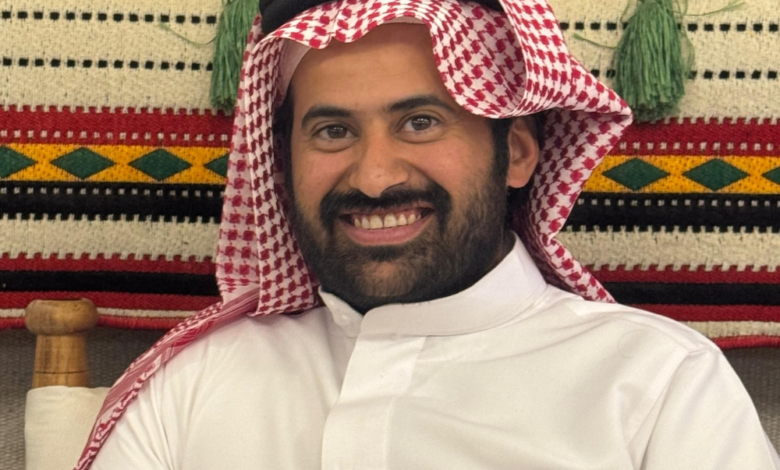
The initiative is based on rigorous scientific studies that analyze an individual's consumption of essential resources, such as water and electricity, as well as their dietary patterns. Saad Al-Ajmi, a member of the Wasam Environmental Association, explained that the tool is a quick and simple digital questionnaire that uses interactive icons to determine an individual's carbon footprint. Once the responses are completed, the results are displayed immediately, classifying the participant's environmental performance as "excellent," "good," or "poor.".
Al-Ajmi added that the initiative's mission is not limited to diagnosis; the program also provides practical and tailored guidance to continuously improve and develop environmental behavior. Participants are contacted via email or WhatsApp to receive regular awareness messages, especially on international environment days, to ensure ongoing engagement and encourage positive change.
Expected impact and future goals
The “Marshad Wasm” initiative aims to bring about tangible behavioral change by encouraging simple and effective practices, such as walking to mosques or using bicycles for short distances instead of relying solely on cars, thus directly reducing emissions. Al-Ajmi noted that the project is still in the development phase to ensure the desired behavioral change is achieved effectively.
The association aims to expand the initiative to include schools, markets, and shops through interactive screens that encourage everyone to measure their environmental impact, emphasizing the vital role of media and educational institutions in disseminating environmental awareness among all segments of society. Such initiatives not only contribute to protecting the local environment but also enhance the Kingdom's image as a leading nation in adopting innovative solutions to achieve sustainability at both the regional and international levels.