Mosque guidelines for Ramadan 1447: No donations and rules regarding photography
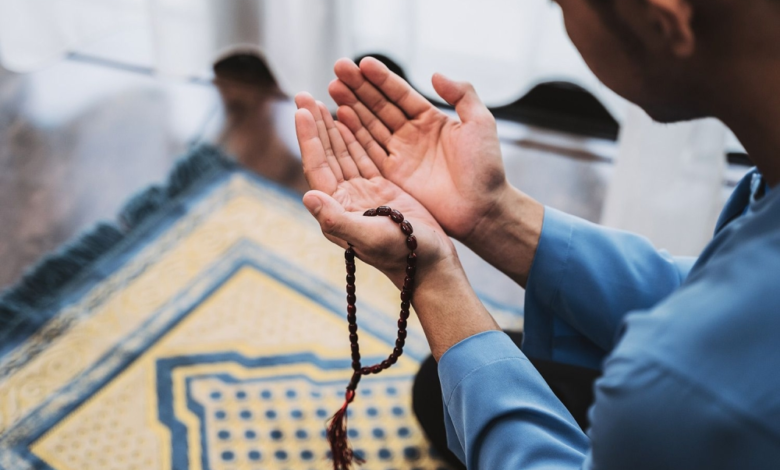
The Ministry of Islamic Affairs, Dawah and Guidance issued a comprehensive set of guidelines and instructions on Tuesday, the first of Sha'ban 1447 AH, aimed at preparing mosques and prayer halls throughout the Kingdom of Saudi Arabia for the holy month of Ramadan. This step comes as part of the Ministry's ongoing efforts to ensure a suitable spiritual atmosphere for worshippers and to achieve the highest standards of organization within mosques during this blessed month.
The context of mosque care and the importance of institutional organization
These directives are of particular importance given the spiritual significance of Ramadan for Muslims, a time when mosques witness a surge in worshippers performing the obligatory prayers, as well as Taraweeh and Qiyam prayers. Historically and organizationally, the Kingdom has consistently updated and improved its mosque services system annually to ensure smooth flow and tranquility. These instructions extend beyond administrative aspects to encompass security and social considerations, reflecting the wise leadership's commitment to serving pilgrims and mosque attendees, and preventing any practices that might disrupt worship or exploit the holy month for illicit purposes.
Discipline of imams and regulations for the call to prayer and the iqama
The ministerial circular emphasized to mosque staff, including imams and muezzins, the necessity of their full presence at their mosques and prohibited absence during the holy month except in cases of extreme necessity, stipulating the appointment of a substitute with the approval of the relevant branch. Regarding religious rites, the ministry affirmed the following:
- Adherence to the prayer times according to the Umm al-Qura calendar.
- Adhering to a 15-minute interval between the call to prayer and the commencement of prayer for the Isha and Fajr prayers, to make things easier for people.
- Consider the circumstances of the worshippers during Tarawih prayers and avoid making them excessively long.
- The Tahajjud prayer should be completed in the last ten nights before the Fajr prayer call with enough time to enable people to have Suhoor and perform the Fajr prayer.
- Adherence to the Prophetic guidance in the supplication of Qunut, avoiding affectation and excessive rhyme, and limiting oneself to the supplications transmitted from the Prophet.
Photography was banned and fundraising was prohibited
In order to protect the privacy of worshippers and prevent disturbances, the Ministry has established strict regulations for the installation and use of cameras inside mosques. The use of cameras to film the imam or worshippers during prayer is prohibited, as is the broadcasting of prayers through any media outlet. The directives also include important financial and security considerations, namely:
- The collection of financial donations for projects to provide meals for fasting people or other purposes is prohibited inside mosques.
- Preventing the phenomenon of begging inside or around the mosque, and directing that security authorities be notified immediately upon observing any violations.
- Directing citizens and residents to pay their Zakat and Sadaqah through official and trusted channels to ensure that it reaches those who deserve it.
Organizing the retreat and breakfast tables
The Ministry organized the practice of Itikaf (seclusion in the mosque) with regulations to ensure the safety and security of those observing it, through verifying their identities and registering their data, and requiring the sponsor's approval for non-Saudis. Regarding Iftar meals, it directed that they be held in the outer courtyards of mosques and under the responsibility of the imam and muezzin, with emphasis on immediate cleanliness after Iftar and the avoidance of any waste, and the organization of in-kind donations (such as water) according to actual need without hoarding.
Expected impact of the decisions
These comprehensive guidelines are expected to foster a sense of tranquility and reverence among worshippers and eliminate negative phenomena such as unauthorized begging or fundraising. These measures will also ensure a healthy and safe environment within mosques, reflecting the Kingdom's progressive image in serving Islam and Muslims, in line with the Kingdom's Vision 2030 goals of improving the quality of life and services provided in places of worship.