Ministry of Health tips for protecting children from winter cold | Comprehensive guide
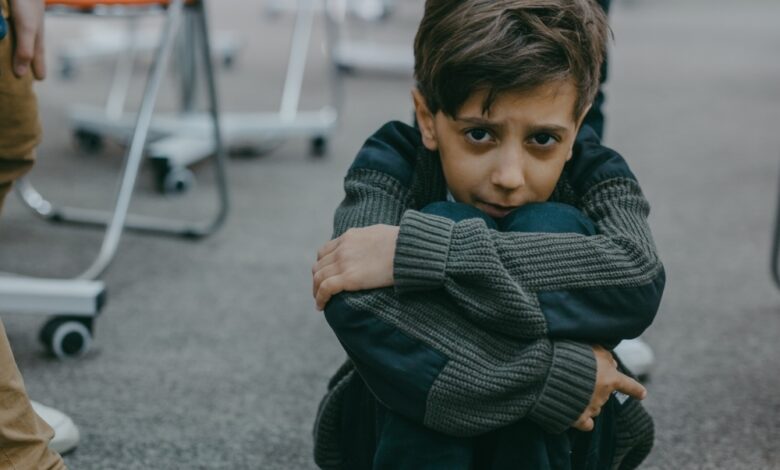
With the arrival of winter and the drop in temperatures, families' concerns about their children's health increase, especially those of infants whose immune systems are still developing. In this context, the Ministry of Health its warnings about the rising rates of seasonal winter illnesses among children, such as influenza, colds, and respiratory infections, and has issued a set of preventative tips and guidelines to ensure a safe and healthy winter for young children.
The importance of prevention in the winter season
These guidelines are particularly important because children, especially infants, lose body heat more quickly than adults, and their constant presence in poorly ventilated, enclosed spaces increases the chances of viral transmission. Medical studies confirm that maintaining a thermally balanced and healthy home environment is the first line of defense against these illnesses.
1. Set the ideal room temperature
The first step the ministry emphasized to protect infants from the winter cold is maintaining a stable room temperature. It is recommended that the temperature be kept constant at 22 degrees Celsius, both day and night. For accuracy, it is advisable to install a wall-mounted thermometer in the baby's room to monitor any sudden changes that could affect their health.
2. Choosing safe heating methods
Safe heating is a cornerstone of child protection. The Ministry recommends using central heating pipes or air conditioners with hot air, as these are considered safer than traditional heaters. However, general safety rules must still be followed
- Keep the baby's bed at least 60 cm away from any source of heat.
- Place electric heaters away from curtains and furniture to avoid fires.
- Make sure that wires and connections are out of reach of children.
3. Avoid the risks of suffocation and fires
The ministry has issued a strong warning against the use of kerosene or gas heaters, as well as electric heaters with incandescent rods, in rooms where children are present. The danger of these devices lies in their potential to cause fires or emit toxic carbon monoxide, a colorless and odorless gas that can lead to suffocation and, God forbid, death while sleeping.
If these types must be used, a window should be left partially open to ensure air renewal and prevent the accumulation of toxic gases, and periodic maintenance of the equipment is necessary before the start of the season.
4. Good ventilation and combating drought
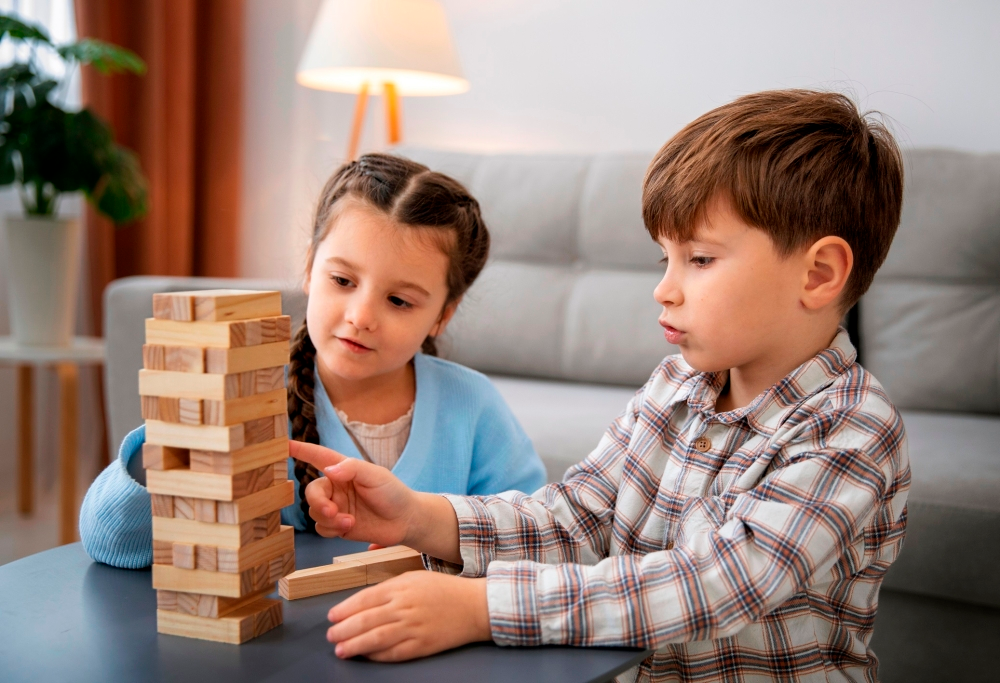
Contrary to popular belief that closing windows protects against illness, ventilating the room is essential. The child should be moved to another warm room, and their windows opened at least once a day to refresh the air and remove any lingering viruses.
It's also important to note that constant heating dries out the air, which can irritate a child's mucous membranes. To address this, it's advisable to place a shallow container of water or a damp towel in the room (away from electrical outlets) to increase humidity and ensure comfortable breathing for the child.
5. The strategic location of the baby's crib
To prevent drafts, it's best to place the baby's crib against the interior walls of the house (those separating rooms), leaving a small gap for ventilation. Avoid placing the crib against the exterior walls of the building, as these walls are usually colder and absorb the room's heat, potentially exposing the baby to unnoticeable chills while sleeping.
6. Baby bathing precautions in winter
When bathing a baby, ensure the bathroom is warmed to between 22 and 24 degrees Celsius. It's essential to have all necessary items (towel, clothes, diapers) ready beforehand to minimize the baby's exposure to drafts after bathing. Dry the baby thoroughly and immediately, paying particular attention to drying the head completely, as the body loses a significant amount of heat through a wet head.