The robot Merumee rivals the Lapopo dolls: the next trend of 2026
In a world where fashion trends are accelerating and increasingly merging with technology, attention is currently turning to Japan, where the new interactive robot “Mirromi” is poised to be the shining star and the most prominent “trend” of 2026. Technical and behavioral predictions indicate that this intelligent companion may surpass the popularity of the “Labubu” dolls that recently swept the markets, heralding a qualitative shift in consumer preferences from silent possessions to intelligent companions.
Merumi: More than just an accessory
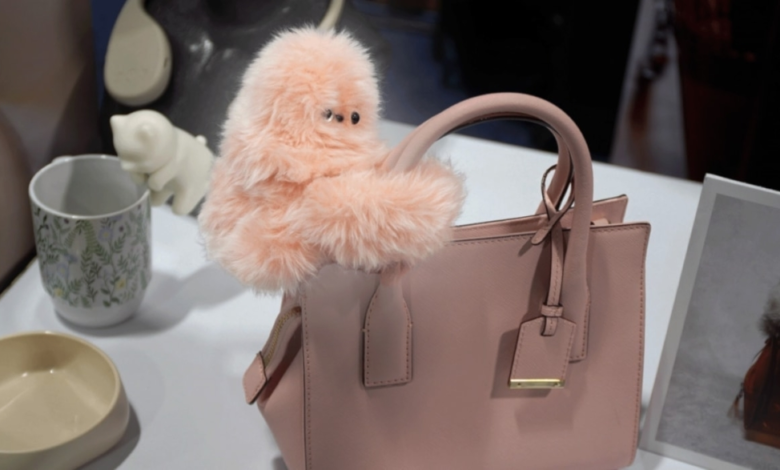
The Merumi robot is a cleverly designed, small, interactive companion that attaches to bags, but it goes beyond its traditional function as a decoration. This robot relies on advanced sensors that allow it to react to surrounding sounds and the user's movements. Its charming appeal lies in its shy glances and spontaneous, unexpected movements, designed to spread joy and break the ice in public spaces, giving its owner a sense of constant connection.
Artificial intelligence versus traditional puppets
The robot's operation relies on complex algorithms that make its reactions highly spontaneous and natural, far removed from repetitive and monotonous robotic patterns. This combination of advanced technology and endearing appearance makes it an accessory that blends fashionable elegance with the intelligence of the digital age. While the LaBobo dolls—which have generated enormous profits for Popmart—rely on their rarity, artistic designs, and collectible appeal, Merume offers the added value of "emotional engagement," something the new generation raised in the digital age seeks.
Historical Roots: From Tamagotchi to Merume
The emergence of Merumi is not an isolated event, but rather a natural extension of Japan's long history of developing companion robots. Since the 1990s, with the introduction of the Tamagotchi digital pet, followed by Sony's Aibo robot dog, and culminating in the emotional robot Lovot, Japanese companies have consistently strived to integrate emotions with technology. Merumi represents the latest generation of these innovations, miniaturizing technology to become wearable and integrated into daily life, rather than simply a household device.
Expected impact: A shift in acquisition culture
Merumi is expected to revolutionize consumer behavior globally and regionally. Instead of simply buying silent dolls to decorate bags or shelves, users will seek out accessories that "feel" them. This shift could push major toy companies and global fashion brands to invest more heavily in emotionally responsive wearable technology. If Merumi achieves its anticipated success, 2026 will not just be the year of a new product launch, but the beginning of an era of "living accessories" that interact with their surroundings, posing a real challenge to traditional vinyl dolls and their ability to maintain their market position.