Draft Financial Control System: Rewards for Auditors and Digital Oversight
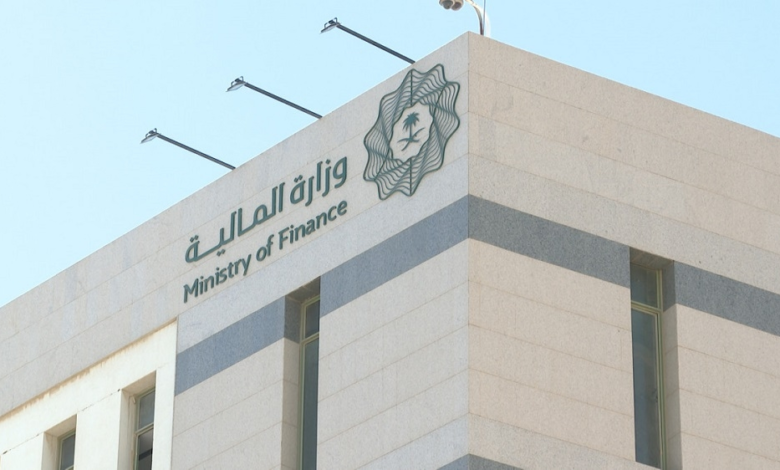
The Saudi Ministry of Finance has revealed details of the draft executive regulations for the Financial Control System, representing a significant leap forward in mechanisms for protecting public funds and enhancing the efficiency of government spending. The draft includes modern mechanisms that enable government entities to transition towards self-regulation and digital oversight, in accordance with rigorous governance standards that ensure the highest levels of transparency and accountability.
The context of financial transformation and Vision 2030
This regulatory overhaul aligns with the objectives of the Kingdom's Vision 2030, which prioritizes efficient financial spending and fiscal sustainability. These amendments aim to transition from traditional oversight methods to more advanced, technology-driven, and self-assessment-based models, thereby enhancing the agility of government agencies and reducing bureaucracy while maintaining rigorous financial controls.
Through this regulation, the ministry seeks to enable government agencies to manage their resources more effectively, as the regulation allows agencies to submit a formal request to assess their readiness to transition to a self-monitoring approach, whether wholly or partially, after fulfilling the approved assessment requirements.
Digital monitoring and evaluation mechanisms
The draft regulations require the Ministry of Finance to review and respond to the self-assessment results of government entities within 60 working days. The regulations also stipulate that all entities connected to government resource systems will be subject to what is known as "digital technical oversight" to ensure the automated and continuous examination of financial controls and data analysis.
In a move to enhance compliance, the regulation preserves the ministry’s right to withdraw self-monitoring powers and re-subject the entity to direct oversight in the event of repeated financial observations or weak adherence to indicators, thus emphasizing the principle of “reward and punishment” in financial management.
Localization of the auditing profession and incentive rewards
As part of efforts to strengthen national talent, the draft stipulated that financial controllers must be Saudi nationals, possess integrity and impartiality, and pass the required professional examinations. To incentivize these controllers, the regulations granted the Minister of Finance the authority to award "incentive bonuses" to controllers whose efforts directly contribute to:
- Protecting public funds from waste.
- Recovering funds for the state treasury.
- Preventing irregular disbursement operations.
Periodic reporting and accountability
The draft expanded the scope of oversight to include entities receiving direct state support, obligating them to submit periodic financial reports. This system culminates in the Minister of Finance submitting a detailed annual report to the Prime Minister, containing a comprehensive summary of financial oversight activities, identified challenges, and recommendations for improving the system, thus ensuring that the leadership is kept accurately and continuously informed of the financial situation.