Menstruation: 3 common myths and 6 golden tips for your health

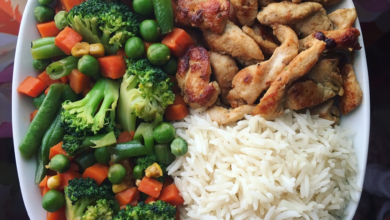
The Gulf Health Council clarified a number of important medical facts related to women's health, noting that there are no specific foods that should be completely avoided during menstruation. However, the Council cautioned against the increased cravings for sugars, sweets, and soft drinks that may arise during this time, advising moderation and monitoring of consumption to maintain the body's balance.
The biological context and importance of the menstrual cycle
The menstrual cycle is a vital indicator of a woman's overall health. It is not merely a fleeting monthly event, but a complex series of hormonal changes that the female reproductive system undergoes. This cycle typically begins at puberty, around age 12, and continues until menopause, usually around age 51. A normal menstrual cycle lasts between 24 and 38 days, during which the body prepares itself monthly for the possibility of pregnancy through the maturation of ovarian follicles and the thickening of the uterine lining.
Understanding this biological process is important for promoting health awareness among women, as tracking the menstrual cycle helps in the early detection of any hormonal disorders or health problems such as polycystic ovary syndrome or thyroid disorders, thus enhancing the chances of treatment and prevention.
Correcting common misconceptions
Despite medical advancements, some misconceptions about menstruation persist, and the Gulf Health Council has refuted the most prominent of them:
- The myth of avoiding exercise: Some believe that exercise is harmful during menstruation, but the truth is that engaging in light activities such as walking, stretching, or Pilates helps to relieve cramps and improve mood thanks to the release of endorphins.
- Endure the pain silently: It is not necessary for a woman to endure severe pain; it is advisable to use safe painkillers, warm compresses, and get enough sleep and rest.
- The harm of bathing: On the contrary, bathing in warm water is an effective way to relax and feel clean, and it is also necessary to prevent bacterial infections.
6 healthy practices during menstruation
To ensure this period passes comfortably and safely, it is recommended to follow these guidelines:
- Choosing the right clothes: Wear loose cotton underwear that allows the area to breathe and reduces moisture.
- Regular personal hygiene: Change sanitary pads regularly to prevent the growth of bacteria and fungi that may cause infections or rashes.
- The correct way to clean: Use only water to clean the genital area and avoid chemical washes or perfumes that may disrupt the natural balance of the vagina.
- Avoid scented products: Stay away from scented wipes or scented toilet paper to avoid irritating sensitive skin.
- Constant hydration: Drinking enough water helps reduce bloating and lowers the chances of developing urinary tract infections.
- Recording and monitoring: Recording the dates of the menstrual cycle and its symptoms helps in understanding the nature of the body and noticing any abnormal changes that require consulting a doctor.