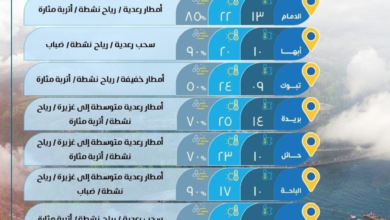
Medina weather: Warning of rain, flash floods, and thunderstorms
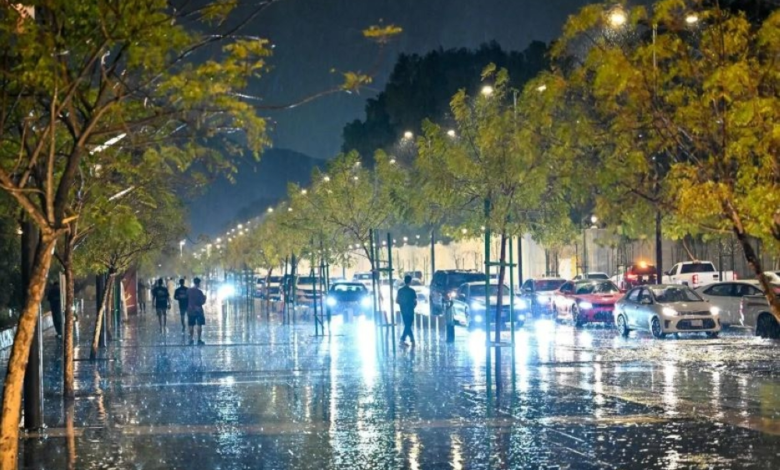
The National Center for Meteorology in Saudi Arabia issued an advanced weather alert concerning the Madinah region, indicating expectations of moderate rainfall accompanied by multiple weather phenomena, as part of its continuous monitoring of the weather conditions and atmospheric fluctuations witnessed in various regions of the Kingdom.
According to the center's report, the weather system will begin affecting the region at 11:00 AM on Friday and continue until 9:00 PM. The center explained that this rainy spell will not be isolated, but will be accompanied by strong surface winds, which may cause dust storms and near-zero visibility, especially on highways and in open areas.
Weather conditions and potential hazards details
The National Center for Meteorology indicated that forecasts also point to the possibility of hail and flash floods in some valleys and ravines, in addition to thunderstorms. These warnings come at a time when the Kingdom is experiencing seasonal weather fluctuations, as these transitional periods are conducive to the formation of cumulonimbus clouds and rain.
The importance of caution in the geography of Medina
These warnings are particularly important given the geographical nature of Medina, which is surrounded by mountains and intersected by several well-known valleys such as Wadi al-Aqiq and Wadi Qanat. Historically, these valleys are known for their rapid flash floods during heavy or moderate rainfall, posing a real danger to hikers and travelers on roads that intersect with the flood channels. Therefore, early warnings are crucial in protecting lives and property.
Government efforts and safety measures
In a related context, the General Directorate of Civil Defense and relevant authorities urged citizens, residents, and visitors to Medina to exercise caution and strictly adhere to instructions issued by official bodies. They emphasized the importance of staying away from low-lying areas, avoiding crossing valleys regardless of water levels, and remaining in safe locations during thunderstorms.
This coordination between weather monitoring and civil defense response comes as part of the national safety system, which aims to raise community awareness of weather hazards and ensure everyone’s safety, especially in a city that is visited by pilgrims and visitors from all over the world around the clock.