Medical achievement in Qassim: A woman was saved from a brain hemorrhage using catheterization
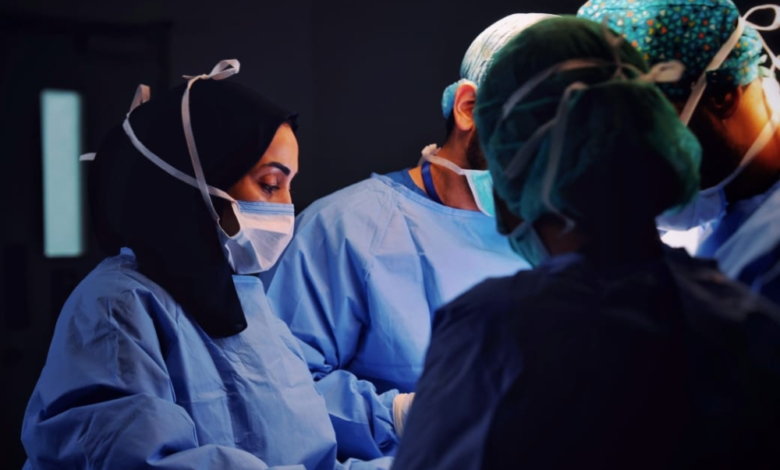
The health system in the Qassim region recorded a new medical achievement, as a specialized medical team at King Fahd Specialist Hospital in Buraidah succeeded in saving the life of a patient in her forties, who was facing an imminent danger threatening her life after suffering a severe brain hemorrhage.
This successful medical intervention was the result of integrated coordination and urgent ambulance transfer from Al-Ras General Hospital , where the patient underwent a delicate operation using neurointerventional catheterization technology, which reflects the high readiness and efficiency of the referral system among the components of the Al-Qassim Health Cluster .
Case details and accurate diagnosis
The medical case began when the emergency department at Al-Ras General Hospital received the patient suffering from sudden and severe symptoms, including an unprecedented, intense headache that rapidly progressed to include significant weakness on the right side of her body and altered mental status. Doctors immediately performed the necessary radiological and diagnostic tests, which revealed an active cerebral hemorrhage caused by an aneurysm in one of the main arteries supplying the cerebellum.
Due to the seriousness of the case and the need for precise specialized intervention, the rapid medical referral system was activated, and the patient was transferred to King Fahd Specialist Hospital in Buraidah, which has qualified medical staff and advanced equipment to deal with such critical cases.
The importance of interventional neurocatheterization
The interventional neurocatheterization technique used to treat this condition is one of the latest medical breakthroughs in neurosurgery. This technique is characterized by being a minimally invasive procedure, often eliminating the need for traditional open surgery (craniotomy), thus reducing surgical risks, shortening recovery time, and minimizing potential complications.
In the context of the aforementioned case, the medical team decided to use this technique to reach the location of the aneurysm with extreme precision. They placed fine metal coils inside the aneurysm to completely close it, which led to an immediate cessation of bleeding and the restoration of normal blood flow to the brain, sparing the patient from potentially permanent neurological complications.
Health integration and the goals of the vision
This medical achievement reflects the significant progress witnessed in the healthcare sector in the Kingdom of Saudi Arabia, particularly in the Qassim region. It highlights the importance of the "health cluster" model, a key component of the healthcare transformation program within the Kingdom's Vision 2030. This model aims to facilitate access to healthcare services for beneficiaries, enhance operational efficiency, and ensure rapid response to emergencies through electronic connectivity and direct coordination between peripheral hospitals and specialized referral centers.
The medical team treating the patient confirmed that her condition had stabilized and her vital signs had improved in the intensive care unit, confirming the success of the treatment plan. For its part, the Qassim Health Cluster commended the efforts of the medical staff, emphasizing its ongoing commitment to providing high-quality, specialized healthcare that meets international standards.