Artificial respiration for premature infants: Medical facts and reassuring messages for parents
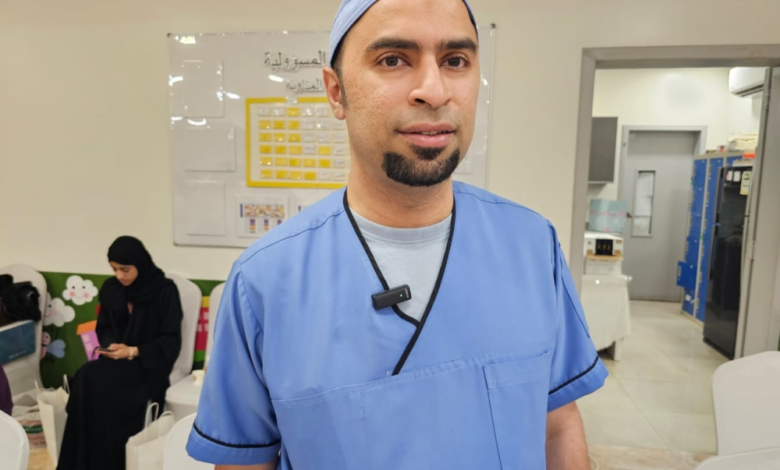
Ali Al-Hassan, a respiratory therapist at Qatif Central Hospital, emphasized that prompt medical intervention and immediate assessment of newborns' vital signs from the first moments of birth are crucial in determining the treatment plan for premature infants. He stressed that the use of mechanical ventilation is a temporary treatment measure aimed at saving lives, refuting the common misconception that it indicates hopelessness or the end of the child's life.
In the context of the medical background of this procedure, neonatal medicine and neonatal intensive care (NICU) are among the medical fields that have witnessed the most rapid development in recent decades. Previously, incomplete lung development posed the greatest challenge to the survival of these infants. However, technological advancements in ventilators and the availability of specialized personnel have dramatically increased survival rates and reduced long-term complications, making these devices a safe bridge to overcome the critical stage.
Al-Hassan explained the details of the medical protocol followed, noting that it begins immediately after birth with a multidisciplinary team including pediatric consultants, respiratory therapists, and nursing staff. This team conducts a comprehensive and thorough examination of the baby's vital functions to determine whether the newborn needs to be transferred to a routine neonatal intensive care unit (NICU) or requires urgent intervention in the intensive care unit (ICU). These interventions are escalated according to the severity of the condition, starting with providing the baby with basic oxygen and progressing to placing the infant on a ventilator via thin tubes or nasal cannulas, after which the baby is immediately transferred for close, continuous monitoring.
The importance of this specialized care and its direct impact on the local community and healthcare in the Kingdom are evident. Intensive care for premature infants contributes to reducing infant mortality rates, a key indicator of healthcare quality. Furthermore, clear and transparent protocols help alleviate the significant psychological burden on families when a child is born prematurely, thus strengthening confidence in the healthcare system and its ability to handle critical cases.
Regarding the length of stay in intensive care, the specialist corrected some parents' misconceptions, explaining that there is no fixed or predetermined timeframe. The medical decision to disconnect life support and discharge the child depends entirely on the child's daily response to treatment and the improvement of their vital signs, which are continuously monitored. Al-Hassan concluded by reassuring families, emphasizing that a child's connection to a ventilator does not mean the end of life, citing real-life examples and success stories of children who overcame this critical stage and fully recovered to lead healthy and fulfilling lives.