Makkah Municipality removes 43,000 tons of waste in 5 days of Ramadan
A comprehensive plan to serve the pilgrims
The Holy Capital Municipality announced the intensification of its field efforts at the start of Ramadan 1445 AH, with its teams successfully removing over 43,000 tons of waste during the first five days of the holy month. This operation is part of a comprehensive operational plan aimed at maintaining the cleanliness of Mecca and providing the best possible services to its residents and visitors, including pilgrims from around the world, with a particular focus on the central area surrounding the Grand Mosque, which experiences high population density.
Historical context and importance of the Ramadan season in Mecca
The city of Mecca holds unique religious significance as it is home to the Grand Mosque and the Holy Kaaba, making it a destination for millions of Muslims annually, especially during peak seasons such as Ramadan and Hajj. Ramadan witnesses a massive increase in the number of pilgrims and visitors, placing considerable strain on the city's infrastructure and municipal services. Waste management is one of the biggest logistical challenges during this period. These intensive efforts are a continuation of the Kingdom of Saudi Arabia's longstanding commitment to serving the Two Holy Mosques and providing the utmost comfort and peace of mind to the pilgrims, a historic role the Kingdom undertakes with pride and competence.
Local and international impact of cleanliness efforts
Locally, these campaigns contribute to improving the urban landscape and enhancing the quality of life for residents, providing a healthy and safe environment befitting the sanctity of the place. Regionally and internationally, the successful management of services in Makkah during peak seasons reflects the Kingdom's ability to organize and manage crowds and complex logistics. This success also reinforces the Kingdom's image as a leading religious destination that offers a comprehensive and safe spiritual experience for pilgrims and visitors, aligning with the goals of Saudi Vision 2030, which aims to improve the experience of pilgrims and increase the capacity to accommodate them.
Details of field operations in numbers
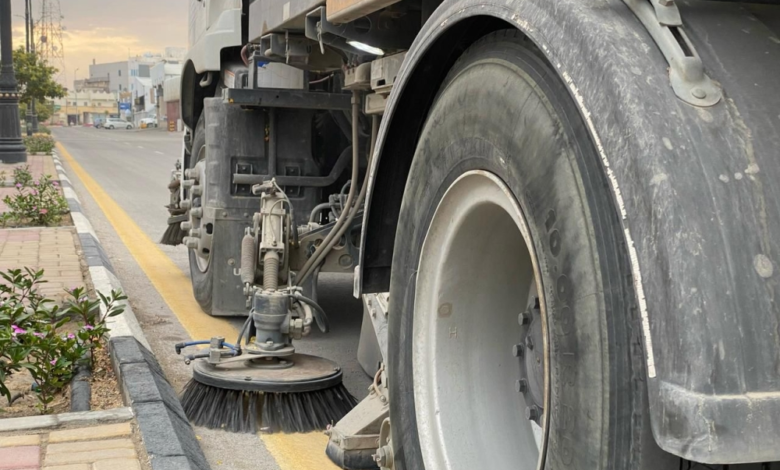
The municipality explained that the collected waste consisted of various types, including approximately 19,658 tons of municipal waste, over 23,913 tons of construction and demolition debris, and 3,571 tons of commercial waste. Efforts were not limited to waste removal alone; they also included mechanical street sweeping covering more than 3 million kilometers, washing and disinfecting 440 sidewalks and public facilities, maintaining 752 waste containers, and washing over 2,900 other containers to ensure their readiness and sustainability.
Sustainability of services and addressing visual pollution
The Holy Capital Municipality affirmed that its field teams are working around the clock according to well-defined plans to ensure the continuity of services and efficient performance. These efforts are part of a broader strategy to address visual pollution and enhance environmental sustainability in the city. Maintaining the cleanliness of Mecca is not merely a municipal duty, but an integral part of serving the Holy Mosque and its visitors, ensuring they can perform their rituals in an atmosphere of tranquility and cleanliness.