Details of the new water efficiency licensing regulations from the Water Center
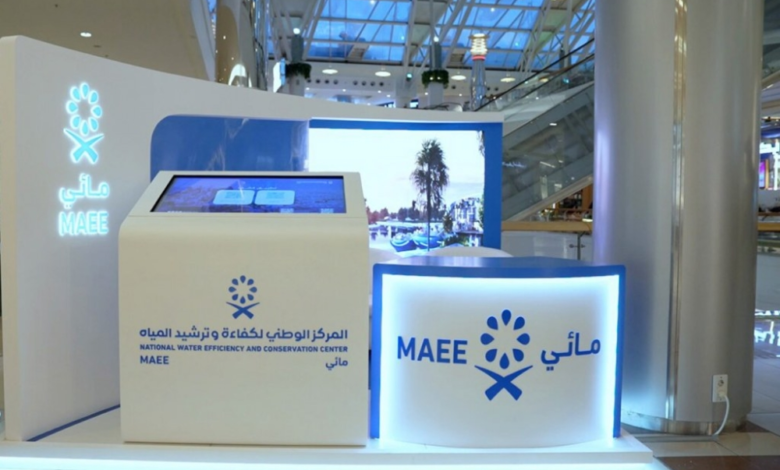
The National Center for Water Efficiency and Conservation (Ma'i) announced today the commencement of the licensing regulations for water efficiency and conservation service providers, following the expiration of the regulatory period for their implementation. This pivotal step is part of a comprehensive strategy aimed at governing and regulating the water sector to ensure the sustainability of water resources in the Kingdom of Saudi Arabia.
A strategic context that aligns with Vision 2030
This measure is not merely procedural; it represents a fundamental pillar within the objectives of the Kingdom's Vision 2030 and the National Transformation Program, which place water security and consumption efficiency at the forefront of national priorities. Given the Kingdom's geographical and climatic characteristics, and the challenges of natural water scarcity, regulating the water services market is an urgent necessity to ensure the optimal use of every drop of water, whether from desalination or groundwater.
Details of the four activities and targeted sectors
The new regulations aim to structure water efficiency and conservation activities in three vital sectors: urban, industrial, and agricultural . The "My Water" Center has identified four key activities that can only be carried out after obtaining the necessary licenses:
- Water auditing services: Review and analyze consumption patterns in facilities.
- Measurement and verification: Ensuring that water savings are achieved according to internationally approved standards.
- Leak detection and repair: Using modern technologies to reduce losses in networks.
- Renewal and Development Project Management: Designing and implementing engineering solutions that ensure water efficiency and conservation.
The economic and regulatory importance of the regulation
The importance of this regulation lies in creating a fair and transparent competitive environment, ensuring that beneficiaries (individuals and institutions) receive high-quality services from qualified professionals. The regulation also opens the door for national talent and specialized companies to obtain a "water auditor" license, thus contributing to the creation of new job opportunities in the green economy and sustainability sector.
8 types of licenses for quality control
Commenting on the event, the CEO of the "Ma'i" Center, Engineer Fahad Al-Dosari , explained that the regulations represent a comprehensive legislative and executive framework granting eight different types of licenses. Al-Dosari emphasized that these regulations will enhance oversight and compliance, ensure the application of the best international technical standards, and positively impact the reduction of operational costs for facilities and the protection of water resources for future generations.
In conclusion, the implementation of this regulation is expected to contribute to raising societal and institutional awareness of the importance of conservation, and to transform water efficiency practices from individual efforts to organized institutional work that is subject to precise and measurable standards.