Maduro and his wife injured: Details of the US attack and the death toll
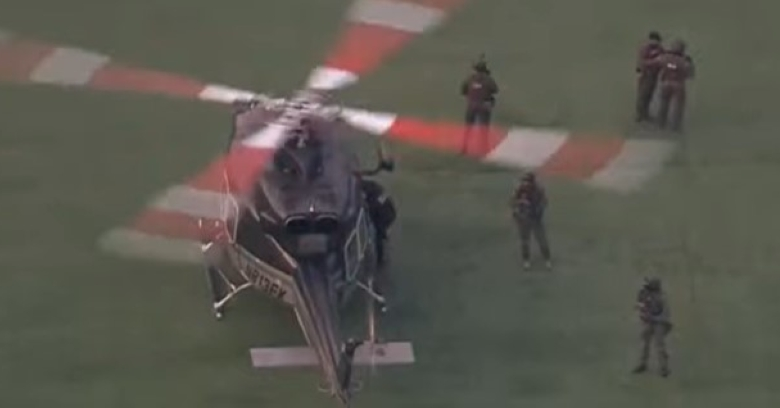
In the latest developments in the rapidly unfolding events in the Venezuelan capital, authorities in Caracas have revealed detailed information regarding the health of ousted President Nicolás Maduro and his wife, Cilia Flores, following the US military operation on January 3rd. These statements highlight the human and political cost of this event, which has shaken the international community.
Details of injuries and health status
Venezuelan Interior Minister Diosdado Cabello confirmed during his weekly program on state television that the arrest of Maduro was not without its clashes. Cabello explained that the ousted president, Nicolás Maduro, sustained a leg injury during the arrest, while his wife, Cilia Flores, suffered head wounds and blows to various parts of her body. The minister indicated that the couple is currently recovering, describing their escape from more serious injuries as "good luck" amidst the heavy gunfire.
Bloody toll: 100 dead in Caracas
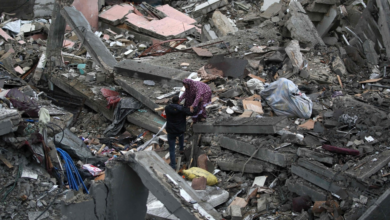
The repercussions of the American attack were not limited to the arrest of the head of state; they also left behind a heavy human toll. Cabello announced a horrifying initial count, confirming that at least 100 people had been killed and a similar number wounded. The Interior Minister described the attack as "horrific," emphasizing that these figures reflected the intensity of the clashes that took place around the presidential palace and surrounding areas in the capital, Caracas.
Unprecedented deterioration in relations and Rodriguez's appointment
Politically, this operation cast a dark shadow over the future of relations between Venezuela and the United States. Venezuelan interim president Delcy Rodríguez, who was sworn in following Maduro's resignation, stated that the US attack had created a historic rift in relations between the two countries. "There is a stain on our relations that we have never seen before in our history," Rodríguez said, indicating that this military escalation had eliminated any near-term prospects for diplomatic dialogue.
Context of the historical tension between Washington and Caracas
This event culminates years of escalating tensions between the United States and Venezuela, which began under the late President Hugo Chávez and intensified under Maduro. Washington has long imposed stringent economic sanctions on Venezuela's oil sector and key government figures, accusing the Maduro regime of human rights abuses and undermining democracy, as well as previously accusing Maduro and other officials of involvement in illicit activities.
Expected regional and international repercussions
Observers believe that the arrest of a sitting head of state (according to his supporters) by foreign forces sets a dangerous precedent in international relations in Latin America. This event is expected to provoke mixed reactions in the region, potentially leading to instability within Venezuela and potentially impacting global energy markets given Venezuela's status as the country with the world's largest oil reserves. This development also raises questions about the future of leftist alliances in Latin America and the stance of other international powers, such as Russia and China, regarding this direct US intervention.