A monitoring campaign targeting hotels in the city to ensure the safety of pilgrims
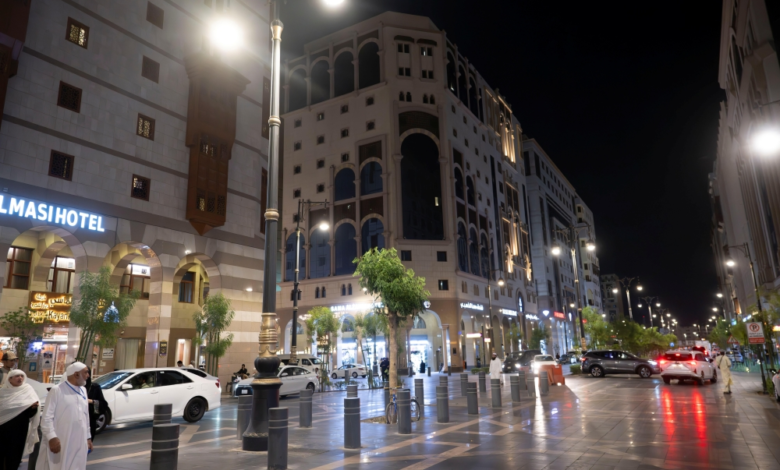
Integrated government efforts to ensure the comfort and safety of visitors to Medina
As part of ongoing efforts to enhance services for pilgrims, the Ministry of Tourism, in collaboration with the Saudi Water Authority, launched a joint and intensive field inspection campaign targeting tourist hospitality facilities in Madinah. This campaign, which has conducted 47 inspection tours to date, is a proactive step to ensure the sector's readiness and adherence to the highest standards of quality and safety, particularly given the increasing number of visitors and pilgrims during the holy month of Ramadan.
General context and the importance of censorship during religious seasons
Madinah holds a special place in the hearts of Muslims worldwide, attracting millions of visitors throughout the year, peaking during Hajj and Ramadan. This massive influx places immense pressure on infrastructure and services, particularly the hospitality sector, including hotels and furnished apartments. Therefore, these inspection tours are crucial, aiming not only to identify violations but also to foster a culture of compliance among operators and ensure a safe and healthy environment befitting the sanctity of the city and providing peace of mind for visitors. This aligns with the goals of Saudi Vision 2030, which seeks to enhance the Hajj and Umrah experience.
Campaign details and role integration
The campaign is characterized by the integrated roles of the two government entities. The Ministry of Tourism's inspection teams are responsible for verifying that hospitality facilities comply with approved regulations, the quality of services provided, and the required licenses. Meanwhile, specialized technical teams from the Saudi Water Authority focus on inspecting water supplies and internal networks, ensuring the integrity of reservoirs, and collecting random water samples for laboratory analysis to confirm their compliance with national drinking water standards and their freedom from any contaminants.
Expected impact on the tourism sector and beneficiaries
These regulatory measures have a multifaceted positive impact. Locally, they contribute to raising the level of preparedness of establishments and incentivize them to compete in providing the best services. Internationally, they enhance the Kingdom's reputation as a leading religious tourism destination that prioritizes the safety and comfort of its guests. Both parties affirmed that these campaigns will be expanded to include other cities and regions in the Kingdom, reflecting a sustainable strategic approach aimed at comprehensively improving the quality of the tourism and hospitality sector and ensuring the continued provision of reliable and safe services for all visitors.