Macron and Lula: Strengthening the UN in response to the US Peace Council
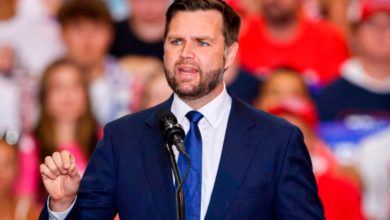
In a diplomatic move reflecting growing concern over rapidly evolving geopolitical landscapes, Brazilian President Luiz Inácio Lula da Silva and French President Emmanuel Macron called for strengthening the role of the United Nations and preserving its central position in the international system. This came as a direct and coordinated response to US President Donald Trump's announcement of the creation of a "Peace Council," a new body that has sparked considerable controversy in global diplomatic circles.
Controversy surrounds the "Peace Council" and international legitimacy
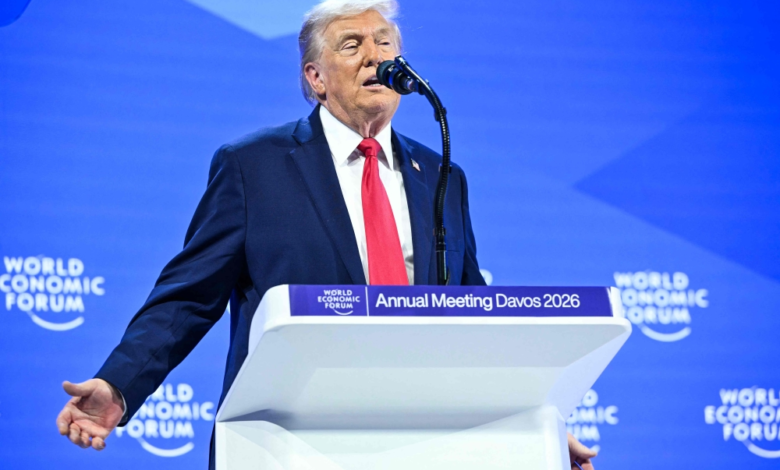
The White House’s announcement last week at the Davos Economic Forum of the establishment of a “Peace Council” headed by Trump has sparked a wave of questions about the future of traditional international organizations. While the announcement initially linked the council to a plan to end the war in the Gaza Strip, its founding charter grants the US president broad powers, generating genuine concerns among major powers that this body could become a parallel and rival entity to the United Nations, seeking to circumvent the collective decision-making mechanisms established since the end of World War II.
The French and Brazilian position: rejection and conditions
According to a statement from the Brazilian presidency, the two presidents, during a telephone conversation lasting nearly an hour, stressed that any initiatives related to international peace and security must strictly adhere to the mandates of the UN Security Council and international law. In this context, reports revealed that Paris declined an offer to join the new body, preferring to remain under the UN umbrella.
For his part, Brazilian President Lula da Silva adopted a cautious stance, having previously asked his American counterpart to limit the scope of the "Peace Council" exclusively to the Gaza issue, stipulating that a seat be allocated to the State of Palestine within the council. Lula had also leveled sharp criticism at the American president, accusing him of seeking to establish himself as "master of a new United Nations" and to extend his influence to encompass various international conflicts outside of traditional frameworks.
Developments in Venezuela and the rejection of military solutions
On another equally important regional issue, the two leaders discussed the dramatic developments in Venezuela following the swift US military operation in early January that resulted in the capture of President Nicolás Maduro. The Brazilian statement affirmed that Lula and Macron unequivocally condemned the use of military force, deeming it a clear violation of international law and state sovereignty.
Both sides agreed that such unilateral military interventions threaten stability in South America and the world, stressing the importance of political dialogue as the only way to resolve crises, away from the language of military escalation and imposing a fait accompli.