Macron criticizes Maduro's arrest: He's a dictator, but the method is unacceptable
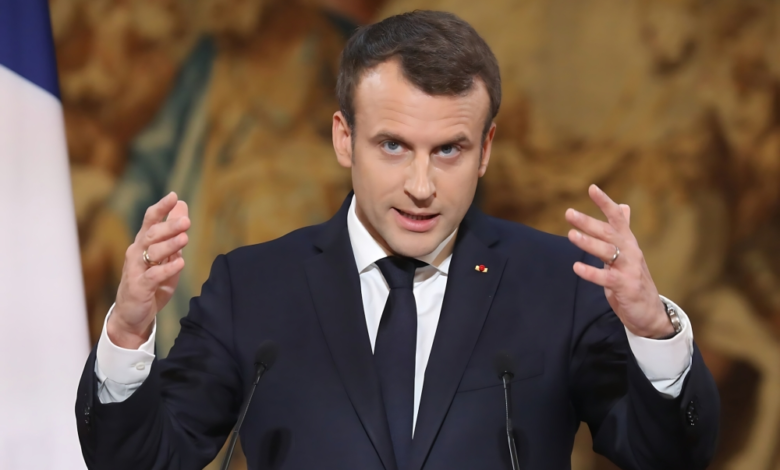
In an official clarification of the French position regarding the recent developments in Venezuela, French President Emmanuel Macron announced during a cabinet meeting held on Monday that his country is taking a reserved stance regarding the mechanism adopted by the United States of America in dealing with Venezuelan President Nicolas Maduro.
Details of the French position: between ends and means
French government spokesperson Maud Brégon quoted President Macron as saying that Paris "neither supports nor approves" of the methods used by Washington to arrest Maduro and transfer him to US soil. This statement draws a clear line between France's political stance on the Venezuelan regime and the diplomatic and legal principles governing international relations.
Despite criticizing the American approach, the French president was careful to emphasize that Nicolás Maduro is a "dictator," considering his departure from power "good news" for the Venezuelan people who have suffered for years from suffocating political and economic crises. This balanced statement reflects the Élysée Palace's attempt to maintain its position in support of democracy and human rights, without blindly endorsing unilateral interventions that could spark international legal controversy.
Context of internal criticism and pressure from the left
Macron's statement did not come out of thin air; it followed a wave of sharp criticism, particularly from leading figures on the French left. His opponents criticized the president for his delayed condemnation of Washington's initial response, arguing that silence could be interpreted as acceptance of violations of national sovereignty, regardless of the nature of the ruling regime. The French left is traditionally known for its sensitivity to American interventions in Latin America, which put Macron under pressure to clarify the official position of the French government.
Background of the Venezuelan crisis and its repercussions
These developments are significant given the depth of the crisis that Venezuela has been experiencing for years. Under Maduro's rule, the country has witnessed an unprecedented economic decline, characterized by hyperinflation and severe shortages of basic goods, which has driven millions of Venezuelans to emigrate. Relations between Caracas and Washington have long been strained, with the United States imposing harsh sanctions on Venezuela's oil sector and accusing Maduro and senior officials of involvement in drug trafficking and corruption.
Observers believe that the current French position attempts to balance its strategic alliance with the United States with adherence to the principles of international law, which typically reject cross-border security operations without a clear UN mandate. This stance is expected to resonate within European diplomatic circles, which often seek a third way forward that combines pressure on authoritarian regimes with respect for international norms.