Launch of the commercial space station Haven-1 in 2027: Full details
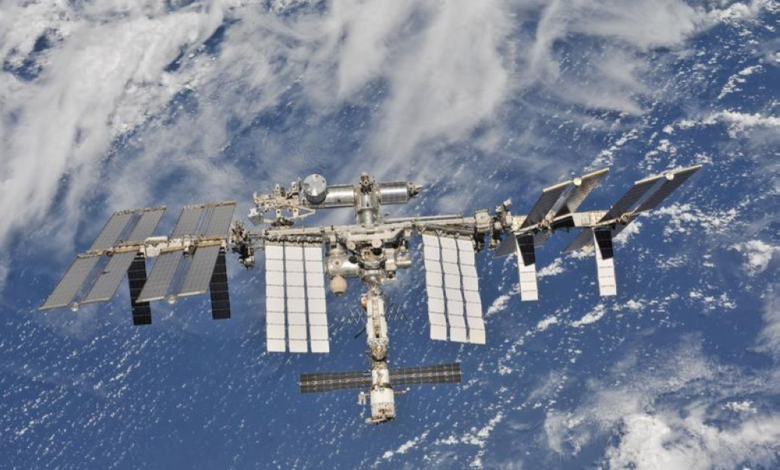
In a historic move that sets new standards for the future of space exploration, Max Haute, CEO of Vast Space, announced the final timeline for launching the first commercial space station dedicated to astronauts, named "Haven-1." This significant announcement was made during the Space Debris 2026 conference held in Riyadh, Saudi Arabia, where the first quarter of 2027 was officially set as the target date for placing the station in low Earth orbit.
Context of transformation: From government monopoly to commercial space
This announcement comes at a time of profound transformation in the global space sector. With the International Space Station (ISS) nearing its anticipated retirement by 2030, private companies are racing to fill the anticipated gap in space infrastructure. The Haven-1 space station is a direct response to the urgent need for alternative platforms to ensure the continuation of human presence in space, supporting government space agencies like NASA, which are increasingly adopting a strategy of purchasing services rather than building and operating vehicles entirely.
This step is of great strategic importance, as it represents a transition from the stage of pure scientific exploration to the stage of a sustainable space economy, opening the door to new sectors including space tourism, manufacturing in a microgravity environment, and advanced pharmaceutical research.
Station specifications and environmental safety standards
Haute explained that the design of Haven-1 focuses on efficiency and sustainability. It is designed to accommodate a crew of four astronauts on short-term missions, while also providing a state-of-the-art environment to support scientific research and technological experiments. What distinguishes this project is its strict adherence to the standards of "space sustainability," a central issue discussed at the Riyadh conference.
In detailed technical terms, the CEO noted that the station is equipped with advanced shielding systems to protect against increasing space debris, as well as dedicated propulsion systems to ensure the safe removal of the station from orbit at the end of its operational life, reflecting the company’s commitment to reducing the growing phenomenon of space debris that threatens the safety of Earth’s orbit.
Regional and international impact of the Riyadh Declaration
The choice of Riyadh as the venue for this announcement carries profound implications regarding the growing role of Saudi Arabia in the international space sector. Hosting the Space Debris Conference and the participation of major global companies reflects the success of the Kingdom's vision to become a key player in shaping future space policies and legislation, particularly concerning the responsible and sustainable use of outer space.
Haute concluded by emphasizing that the project is progressing according to schedule, particularly following the resounding success of the Haven Demo mission in 2025, which paved the way for full-scale operations. The company aims to achieve operational returns by executing four crewed missions between 2027 and 2030, supported by strategic partnerships and diverse commercial payloads.