Washington seizes seventh oil tanker in the Caribbean: Details of the blockade
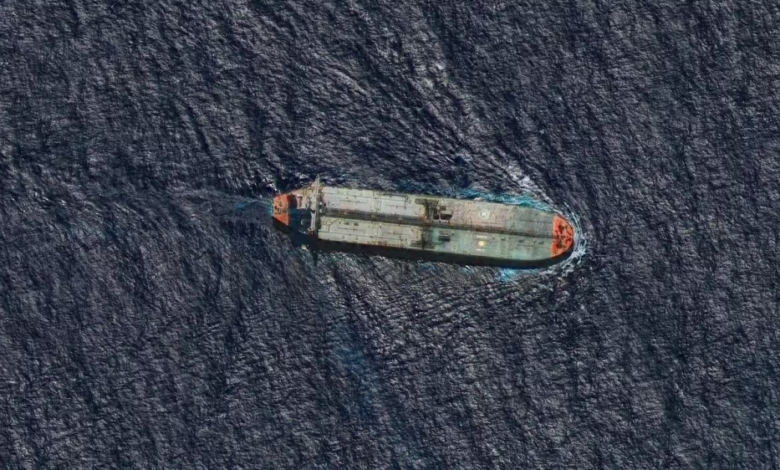
In a new escalation reflecting the ongoing geopolitical tensions in the region, the United States officially announced the seizure of another oil tanker by its forces in the Caribbean Sea. This vessel, named "Sagita," is the seventh to be intercepted and seized since President Donald Trump announced a strict naval blockade aimed at preventing sanctioned ships from engaging with Venezuela, either entering or leaving the country.
Details of the operation to seize the ship "Sagita"
The U.S. Southern Command confirmed in an official post on its Twitter account (formerly known as "X") on Tuesday that its forces successfully completed the operation without incident. The statement explained that the vessel "Sagita" was attempting to defy the blockade, necessitating immediate intervention. The command accompanied its post with aerial video documenting the vessel's interception, emphasizing in a firm message that "the only oil that will be allowed to leave Venezuela is that which is properly and legally coordinated," a clear reference to U.S. control over maritime access points.
Background to the conflict and the oil embargo
This event cannot be separated from the broader context of strained relations between Washington and Caracas. Venezuela, which possesses the world's largest proven oil reserves, has faced immense economic and political pressure from the United States for years. This naval blockade aims to economically strangle the Venezuelan government by cutting off its main economic lifeline: oil exports. These measures are part of the US administration's "maximum pressure" strategy to force political change, transforming the Caribbean Sea into an open strategic battleground.
International dimensions and military presence in the Caribbean
Reports indicate that Washington is deploying a massive naval force in the Caribbean, whose mission extends beyond combating drug trafficking to include enforcing economic sanctions. Among the seven vessels seized since last December, the interception of a tanker linked to Russia in the North Atlantic, which was pursued while en route to Venezuela empty, stands out. This development adds an international dimension to the crisis, as the interests of major powers intersect in this complex issue.
Field developments and the conflict over resources
In a related development, the report indicated that US special forces carried out a swift operation in the capital, Caracas, on January 3rd, which, according to sources, resulted in the arrest of President Nicolás Maduro. Based on this information, President Trump asserts that Venezuelan oil is now under complete US control, announcing the seizure and sale of quantities of it. In contrast, Venezuelan authorities deny losing control, maintaining that the national oil company continues to manage the resources and is negotiating with the US side. This leaves the situation open to all possibilities amidst this escalating conflict over resources and influence.