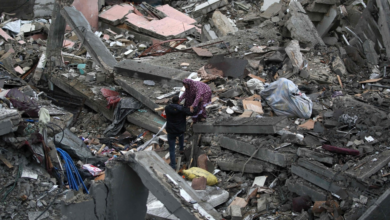
The death toll from the landslide in Congo has risen to 18
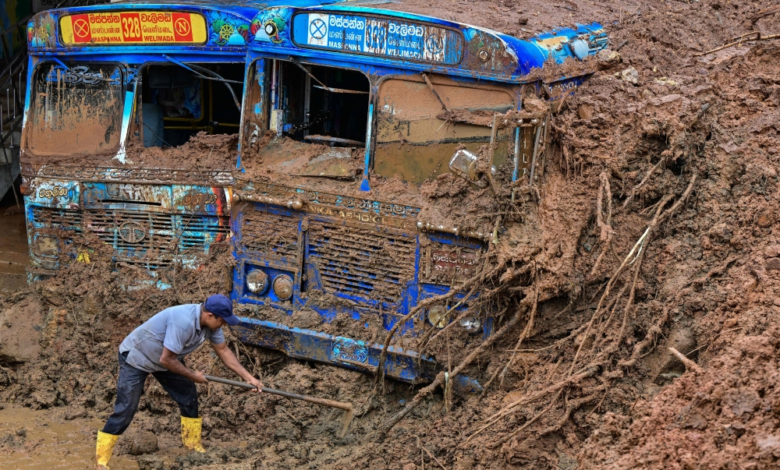
Local authorities in the Democratic Republic of Congo have announced a tragic rise in the death toll from the landslide that struck the east of the country, specifically in North Kivu province, where the number of confirmed deaths has reached 18 people, while the fate of more than 30 others remains shrouded in mystery as they are still missing.
The devastating incident occurred in the village of Borotsi, where persistent heavy rains destabilized the soil, sweeping away homes and residents. Official sources indicated that rescue teams and local residents are facing significant challenges in search operations due to the continued rainfall and difficult terrain.
The lifeline between Goma and Alikali has been severed
The damage was not limited to the heavy loss of life; it also extended to vital infrastructure. The landslide severed the main road linking Goma, the provincial capital and a major commercial hub, to the Alekali district. This road is a crucial economic artery for transporting goods and supplies, raising concerns about shortages and the isolation of affected areas from relief teams and humanitarian aid.
Geographical and climatic context: a fragile environment
This disaster occurs within the complex geographical and climatic context of eastern Congo. These regions are characterized by rugged mountainous terrain and fertile but fragile volcanic soil, making them prone to erosion and landslides, especially given the increasing rates of deforestation that once acted as natural soil stabilizers. Global climate change exacerbates these phenomena, with the region experiencing heavier and more intense rainfall than usual, transforming the mountainous terrain into deadly traps for the population.
Infrastructure challenges and a history of disasters
This incident brings to mind a series of natural disasters that have struck the Great Lakes region and eastern Congo in recent years. Infrastructure in these areas is severely lacking, and population density and internal displacement often force residents to build in unsafe areas on mountain slopes.
The recurrence of these incidents highlights the urgent need to improve urban planning and strengthen infrastructure to cope with natural disasters, as well as the need for international support to help the local government cope with the repercussions of climate change and protect civilians in the most vulnerable areas.