A landslide in Congo kills 13 and leaves 30 missing
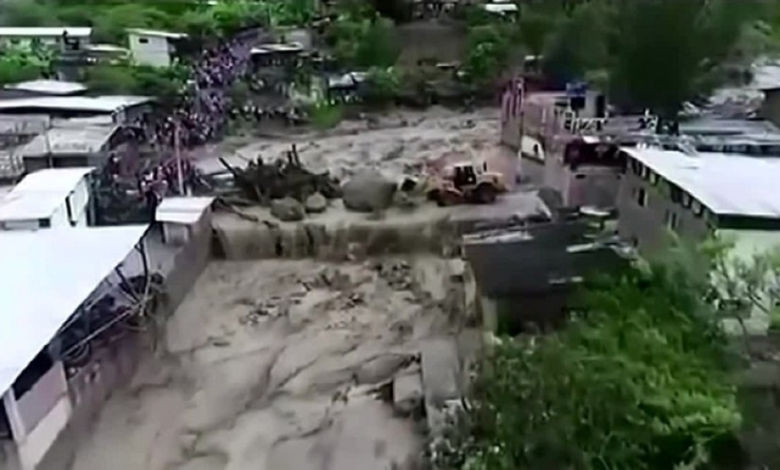
A tragic natural disaster struck the Democratic Republic of Congo, specifically its eastern region, on Tuesday, resulting in significant loss of life and property. At least 13 people were killed, and more than 30 remain missing, after a massive landslide triggered by severe weather.
In detailing the incident, Descartes Akilimale, the sector head in the Borutsi district, explained that the disaster occurred after hours of continuous heavy rainfall, which saturated the soil and caused it to collapse onto homes and roads. The local official noted that the landslide severed the main and vital road linking the strategic city of Goma with Walikale, the provincial capital, bringing traffic to a complete standstill and isolating the affected areas.
Rescue teams are facing enormous challenges in reaching victims trapped under the rubble. Akilimale added that local authorities have requested urgent intervention and immediate assistance from the central government, but the road closure leading to Goma has severely hampered the ability of government teams and heavy rescue equipment to reach the disaster site in time, raising fears that the death toll will rise as time passes.
The context of natural disasters in Congo:
This incident is part of a series of natural disasters affecting East and Central Africa, where the Democratic Republic of Congo has a tropical climate with long and heavy rainy seasons. The eastern regions of the country, with their mountainous and rugged terrain, are particularly vulnerable to landslides and floods, especially given the weak infrastructure and fragile soil that is subject to continuous erosion.
Environmental and humanitarian challenges
: This landslide exacerbates the suffering of residents in eastern Congo, a region already plagued by instability and numerous economic challenges. Environmental experts point to factors such as deforestation and unplanned urban sprawl in sloping areas as increasing the likelihood of such disasters. Furthermore, the disruption of main roads not only hinders rescue operations but also disrupts food supply chains and trade between cities, casting a long shadow over the daily lives of citizens.
This incident highlights the urgent need to strengthen infrastructure in developing countries to cope with extreme climate change, as well as the need to develop effective emergency plans to deal with natural disasters in remote and geographically isolated areas.