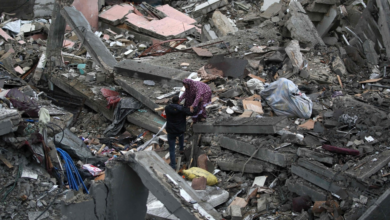
Indonesia floods: 921 dead and widespread destruction in Sumatra
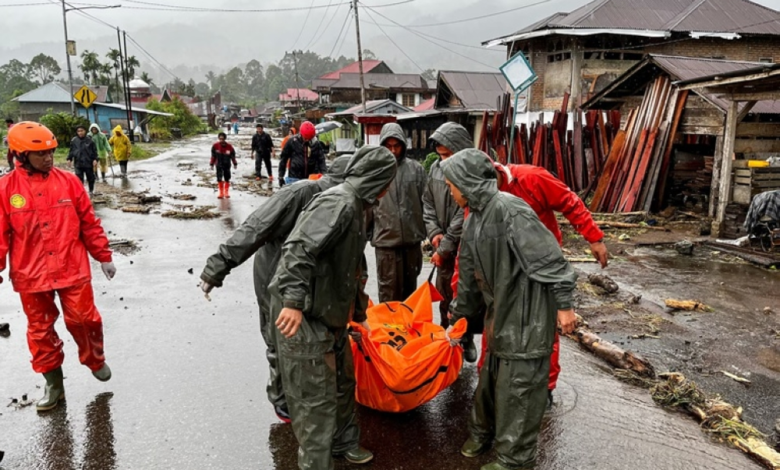
Indonesia is experiencing one of the worst natural disasters in its modern history, with the death toll from landslides and devastating floods that struck the island of Sumatra reaching tragic levels. Rescue teams are racing against time amid harsh weather conditions and rugged terrain to reach the affected areas, as the number of victims has surpassed 900, presenting the country with an immense humanitarian and logistical challenge.
A horrific toll and mass displacement
In the latest official figures, the head of the National Disaster Management Agency, Suhariyanto, revealed shocking numbers reflecting the scale of the tragedy, confirming that 921 people have died so far. Concerns remain about the fate of 392 people who are still missing, raising the possibility that the death toll will rise in the coming days. The damage is not limited to human lives; the disaster has also displaced approximately 975,000 people, who were forced to leave their homes, which were flooded or destroyed by mudslides, and seek refuge in temporary evacuation centers.
Aceh in the eye of the storm
Field reports indicated that North Sumatra, West Sumatra, and Aceh were the most affected, with Aceh bearing the brunt of the devastation, recording 366 deaths. Hundreds of villages in the province are completely cut off from the outside world after torrential floods destroyed roads and bridges, making them virtually inaccessible by land. Aceh Governor Mudhakar Manaf described the situation as tragic, noting that rescue teams were working through waist-deep mud to recover bodies.
Economic repercussions and the risk of famine
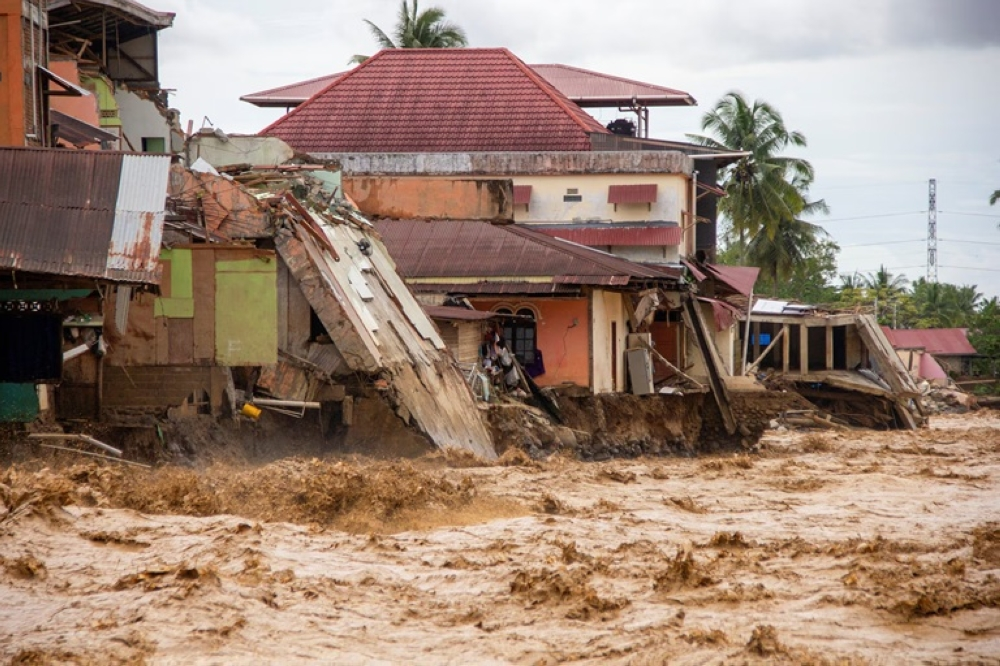
With livelihoods disrupted and crops and infrastructure destroyed, the specter of famine emerged as the most serious threat facing remote, isolated villages. To address the immediate economic repercussions for those affected, the Central Bank instructed public and private banks to reschedule loans for individuals in dire straits, emphasizing that no penalties should be imposed on defaulters in these disaster-stricken areas, in an effort to alleviate the financial burden on survivors.
The geographical and climatic context of disasters in Indonesia
Indonesia, a vast archipelago of more than 17,000 islands, is constantly vulnerable to hydrological disasters, especially during the monsoon season, which typically runs from November to March. The mountainous terrain of islands like Sumatra exacerbates the risk of landslides during heavy rainfall, as waterlogged soil transforms into destructive mudflows that sweep away everything in their path. Environmental experts believe that global climate change, along with local factors such as deforestation and urban sprawl in floodplains, has contributed to the increased intensity and frequency of these extreme events in recent years, making forecasting and response efforts more complex.
With the national weather agency warning of the possibility of heavy rains returning to the disaster-stricken areas, Indonesia remains on high alert, amid international solidarity and strenuous efforts to contain the effects of this humanitarian catastrophe.