The King Salman Relief Center clinics in Abs serve 663 beneficiaries
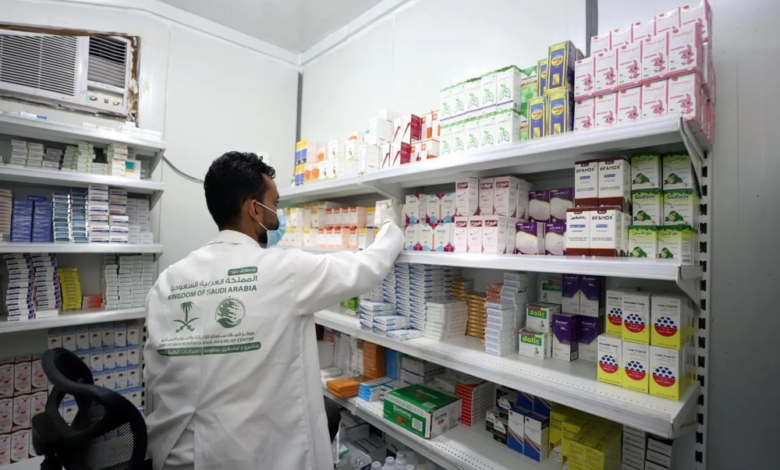
Mobile medical clinics operated by the King Salman Humanitarian Aid and Relief Center continued providing medical services in Abs District, Hajjah Governorate, Yemen, benefiting 663 people during January. These efforts are part of a series of humanitarian projects implemented by the Kingdom of Saudi Arabia, through its humanitarian arm, to support the struggling health sector in Yemen and alleviate the suffering of the local population.
The services provided were distributed across several vital departments. The Infectious Diseases Treatment and Control Clinic received 327 patients, while the Emergency Clinic provided care to 98 patients, and the Internal Medicine Clinic saw 208 patients. Additionally, 30 individuals benefited from health awareness and education services, and the Nursing Services Department provided care to 90 people. Regarding medication support, 401 individuals received their prescriptions, while the Surgery and Dressing Clinic treated 11 patients, and nine activities were carried out for the safe disposal of medical waste.
General context and humanitarian importance
These initiatives are of paramount importance given the humanitarian crisis that Yemen has been experiencing for years, which the United Nations has described as the worst in the world. The ongoing conflict has led to the near-total collapse of infrastructure, including the health sector, where less than half of health facilities are fully operational, and many suffer from severe shortages of medical personnel, medicines, and essential equipment. In remote areas like Abs district, which hosts large numbers of internally displaced people, access to healthcare has become a daily challenge that threatens the lives of thousands, especially the most vulnerable groups such as children, women, and the elderly.
Impact of mobile clinics on the local community
Mobile clinics are a lifeline for communities in hard-to-reach areas, offering an effective solution to overcome geographical and physical barriers that prevent residents from accessing medical care. By directly reaching villages and population centers, these clinics contribute to the early detection of diseases, control outbreaks of epidemics such as cholera and dengue fever, and provide life-saving emergency services, in addition to offering primary healthcare and essential medicines free of charge. Internationally, these projects reflect the Kingdom of Saudi Arabia's commitment to its leading humanitarian role on the global stage and highlight the importance of international aid in stabilizing conflict-affected areas and preventing the escalation of health crises whose repercussions could extend across borders.