The death of El Mencho: The end of Mexico's most dangerous drug lord
The end of the legend of violence: The death of "El Mencho"
In a major military operation described as the most significant in years, Mexican authorities, in cooperation with US intelligence, announced the killing of Nemesio Rubén Oseguera Cervantes, known as “El Mencho,” the leader of the Jalisco New Generation Cartel (CJNG), one of the world’s most dangerous and powerful drug trafficking organizations. The operation, carried out in the state of Jalisco, the cartel’s stronghold, not only ended the life of one of the most wanted men by US and Mexican authorities, but also unleashed an unprecedented wave of violence across several states, raising questions about the future of the drug war in the country.
Details of the security operation and the violent reaction
The Mexican Ministry of Defense confirmed in an official statement that the operation took place in the town of Tapatlava, southwest of Guadalajara. During a fierce firefight, "El Mencho" was seriously wounded and later died while being airlifted to Mexico City. The raid resulted in the deaths of four of his bodyguards and injuries to three others, as well as injuries to three members of the military. Two people were arrested, and a large arsenal of weapons was seized, including armored vehicles, rocket launchers, and various firearms, reflecting the cartel's considerable military strength.
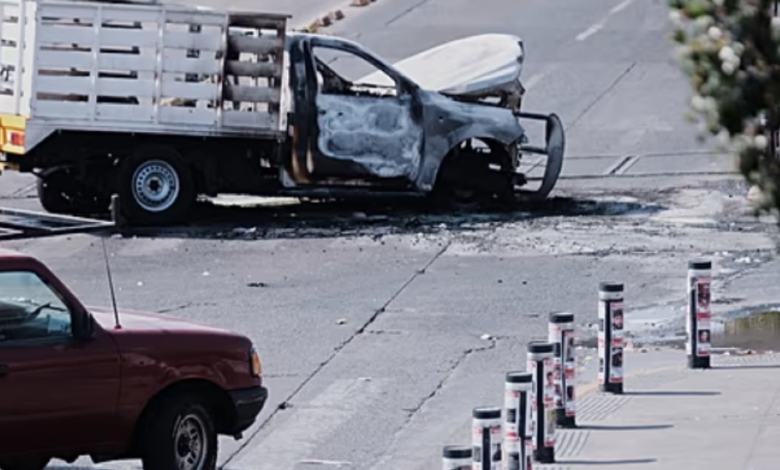
In retaliation, cartel members launched coordinated attacks in the states of Jalisco and Guanajuato, setting up roadblocks on major highways and setting fire to dozens of vehicles and businesses—a tactic known as “narcobloqueos” (fire blockades) designed to paralyze security forces and sow panic among civilians. Videos showed plumes of smoke rising over major cities, including the tourist destination of Puerto Vallarta, prompting US and Canadian airlines to temporarily suspend flights due to the deteriorating security situation.
Historical background: The rise of the Jalisco Cartel and "El Mencho"
This event comes in the context of Mexico’s long and devastating war on drugs, which officially began in 2006. “El Mencho,” a former police officer, rose to prominence in the criminal underworld after breaking away from the Milenio Cartel and founding the Jalisco Cartel around 2011. Exploiting the vacuum left by the disintegration of other organizations such as Los Zetas and the Knights Templar, the cartel quickly became the dominant force in Mexico. Known for its extreme brutality and paramilitary tactics, the cartel expanded its operations to include the trafficking of synthetic drugs like fentanyl and methamphetamine to the United States, Europe, and Asia, making it a prime target for the U.S. Drug Enforcement Administration (DEA), which offered a reward of up to $15 million for information leading to his capture.
Significance and expected impact: a power vacuum and an uncertain future
Domestically, the killing of El Mencho represents a major tactical victory for the Mexican government, but it opens the door to dangerous scenarios. His absence is expected to create a power vacuum that could ignite a bloody internal power struggle among cartel leaders to succeed him, or it could embolden rival cartels, most notably the Sinaloa cartel, to attempt to seize his territory, potentially leading to an escalation of violence in conflict zones.
Regionally and internationally, the operation is seen as a result of close security cooperation between Mexico and the United States. However, the biggest challenge remains whether eliminating the cartel leader will have a tangible impact on the flow of synthetic drugs into the United States, which is causing a public health crisis there. The killing of “El Mencho” closes a significant chapter in the history of organized crime, but it may also be just the beginning of a new, more complex and bloody chapter in Mexico’s seemingly endless war against drug cartels.